
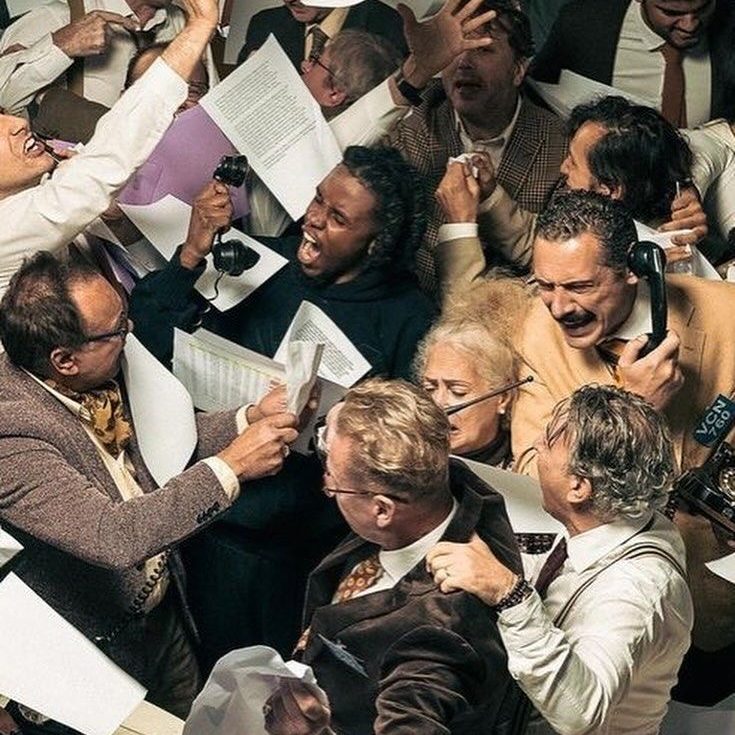
Modern media gives us the eerie feeling that we “know” people we have never met. A TikTok clip suggests their personality, a headline gives them a motive, a photo constructs their moral character. Journalism and digital platforms don’t just inform us — they quietly teach us how to read human beings. And what is most unsettling is how natural this process feels.
Herman and Chomsky’s idea of manufacturing consent provides a useful way to understand this phenomenon. Although originally used to describe political communication, the concept extends easily to the manufacturing of public personas. Media systems decide what kinds of behaviour are framed as trustworthy, what kinds of stories become sympathetic, and which individuals appear “credible” or “relatable.” The construction of the public figure becomes a form of ideological filtering: only certain identities are allowed to appear understandable within the dominant cultural script.
McLuhan deepens this by insisting that “the medium is the message.” The framing of a person through a long-form interview produces gravitas; the same person in a ten-second clip becomes comedic or chaotic. We imagine we are interpreting their character, but we are really responding to the form in which they are delivered. TikTok’s sped-up audio, quick cuts, and emotional immediacy shape how we read people long before we consciously evaluate their actions. In this sense, modernity is not just mediated; it is pre-interpreted.
Williams complicates McLuhan, emphasising that media forms are not neutral technologies but cultural and economic constructions. The influencer who appears wholesome, chaotic, feminist, or villainous is shaped by platform incentives, commercial imperatives, and the need to remain legible within algorithmic visibility. A “relatable” persona is not simply a reflection of authenticity; it is a performance shaped by metrics, monetisation, and the wider culture industries. We are not seeing people as they are, but as they must appear to survive within the system.
This aligns with Goffman’s idea that all social life is performance, yet digital platforms dissolve the distinction between frontstage and backstage. Users and public figures alike become trapped within a continuous performance space where sincerity, vulnerability, and even moral outrage become content genres. Scannell and Garfinkel would argue that digital media reshape the “interaction order” itself: what counts as respectful, authentic, or legitimate behaviour is increasingly defined by platform norms rather than social ones.
The social cost of this is profound. When we confuse personas for people, we lose sight of human complexity. We begin to morally judge strangers through fragments engineered for visibility, and we hold ourselves to similar, flattened standards. We internalise the idea that we must remain coherent, digestible, and algorithmically recognisable.
What emerges is a culture where consent is manufactured not only politically but personally. We consent to being simplified; we consent to having our inner lives filtered through interfaces designed for speed and legibility.
To resist this, we must relearn how to see others – and ourselves – as more than the media forms that package us. The human being always exceeds the persona, and remembering this may be one of the last acts of genuine freedom in a world shaped by visibility.


Your post gives a very rich and thoughtful explanation of how different media theorists help us understand public personas today. I really like how you connect Herman and Chomsky, McLuhan, Williams, and Goffman together in one clear argument. It shows a strong understanding of how media, platforms, and performance interact. The way you explain TikTok’s role and algorithmic visibility is especially insightful, because it makes the theory feel very relevant to our current digital culture. Overall, your writing is analytical, well-structured, and academically strong.