
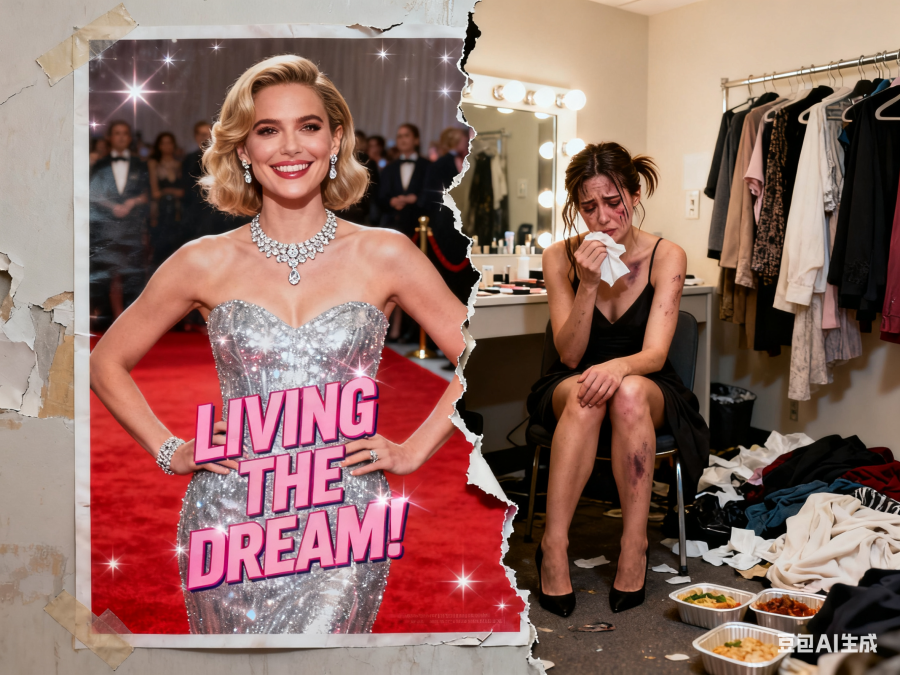
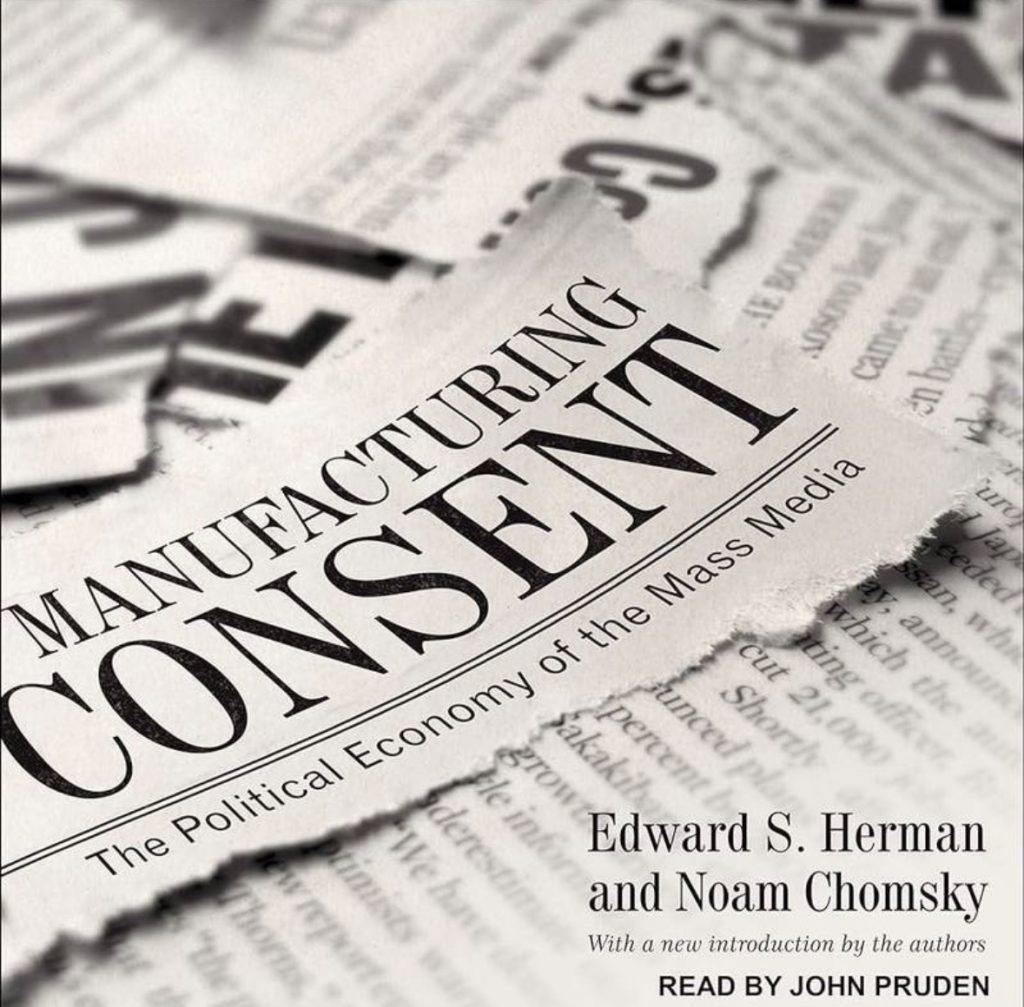
Last week, I saw the “community rules” of a new idol’s support club: “It is forbidden to discuss her absence from her itinerary” and “delete posts that mention her control”. At that moment, I suddenly realised that the “Manufacturing consensus” (Herman & Chomsky, 1988) – the process of shaping the “common truth” in the power structure – is not only the manipulation of the industry, but also in the idol culture, fans will take the initiative to protect this myth.
Screenshot 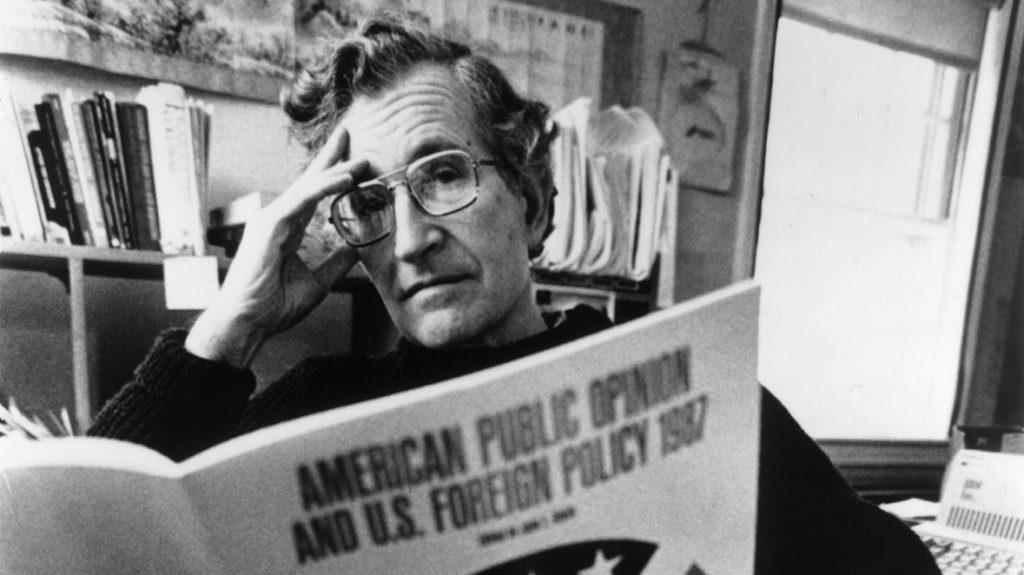
Screenshot
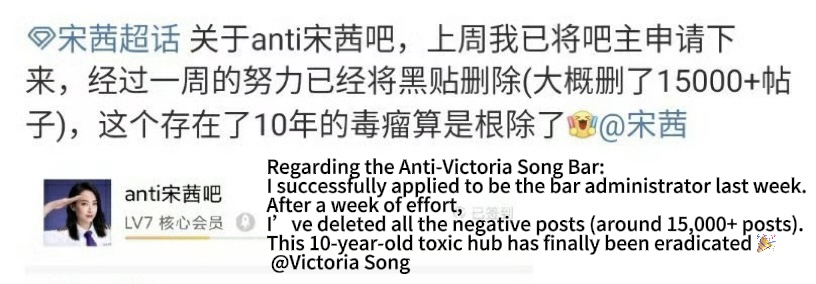
Victoria Song- Fans’ maintenance and patrol of “Vital and Dedicated People”
Take Victoria Song,A fan of Victoria Song disguised himself as an anti-fan and infiltrated the “Anti-Victoria Song Bar”—a platform dedicated to posting negative content about her—for a full decade to defend her image. After successfully being elected as the bar administrator, he manually deleted more than 15,000 negative posts within just one week, transforming the haven for anti-fans into a positive energy hub. This act vividly illustrates that fans are not passive recipients of an idol’s persona, but active participants in “Manufacturing Consent” and upholders of the “flawless idol” myth.
“where did sulli make you uncomfortable” – Fans’ active recognition of “human editing”
The 2023 documentary “where did sulli make you uncomfortable” also reflects this common shaping: a newcomer’s loss because of hiding his hobbies was cut out of the rehearsal clip, but fans praised the clip – saying that “his cute personality is better for his career”.
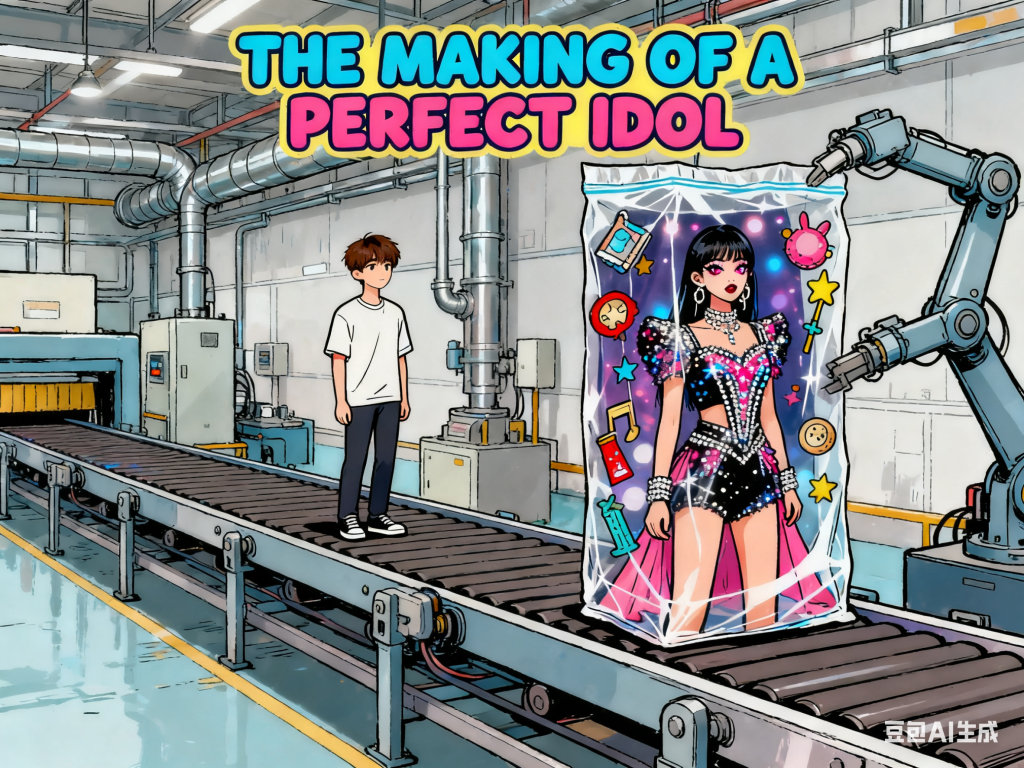
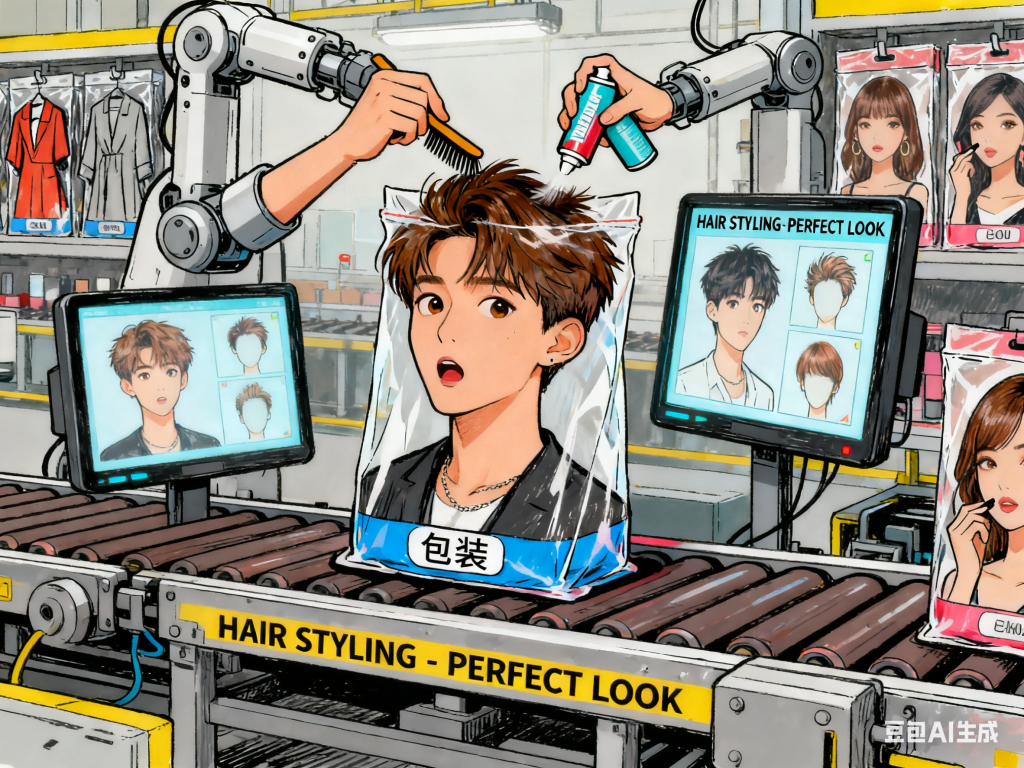
The essence of consensus-making: fans are not passive audiences, but “team-like” executors.
This is not only industry control, but also a “team-style” manufacturing consensus: the industry makes up the story of “perfect stars”, and fans supervise the implementation in order to protect their ideal image that can comfort themselves – they turn a blind eye to the fatigue of idols or the control of brokerage companies. Unlike the cases of political and climate issues, the audience here is not passive, but executive.
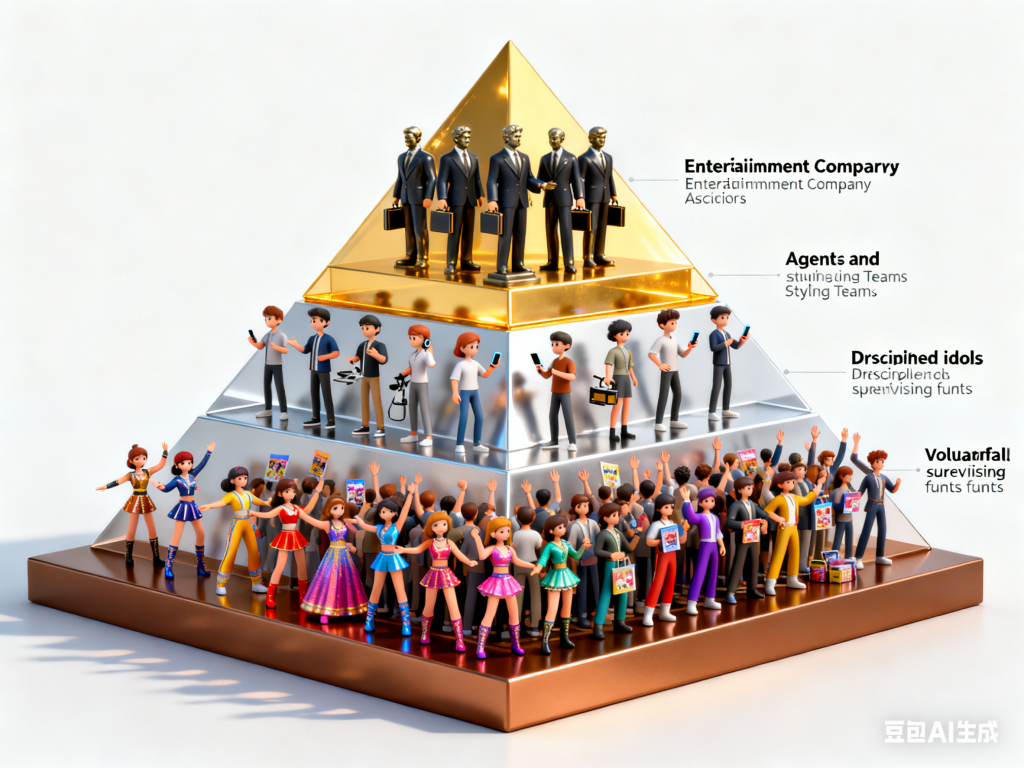
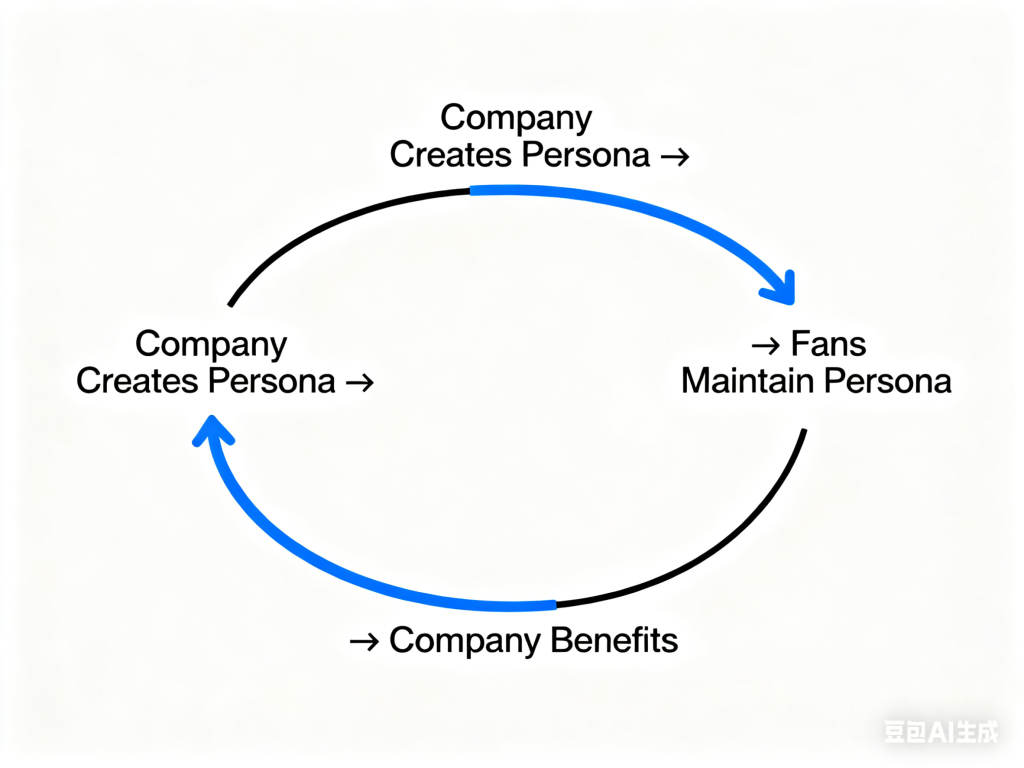
As a student majoring in media, I can see such rules everywhere now. The next time I browse the content of “Perfect Idol”, I will ask: who deleted the imperfect part – and why?
Reference List
Herman, E.S. & Chomsky, N. (1988). Manufacturing Consent: The Political Economy of the Mass Media. New York: Pantheon Books.
Kim, H. (2024). Co-created consent: Fans and the “flawless idol” myth. Journal of Popular Culture, 57(3), pp.189-207.
Park, M. (2023). Idol Unmasked [Docuseries]. South Korea: MBC Documentary. (Accessed: 17 Nov 2025).


This post is so good at hitting the nail on the head! Applying Chomsky’s “manufacturing consent” theory directly to idol fan culture turns that originally abstract media power theory into something super relatable.
That example of Victoria Song’s fan going undercover in an anti fan forum for a decade, then deleting over 15,000 negative posts? It’s so striking turns out “manufacturing consent” isn’t just controlled by the industry; fans are active “enforcers” who jump in to act. They’re the ones actively upholding the myth of the “perfect idol,” and this angle really hits that super nuanced spot in idol culture! The term “team like consent manufacturers” is also such a fresh way to put it perfectly spells out that fans aren’t just passive onlookers; they’re the ones actively “polishing the idol’s persona.”
And this thing where fans jump in to defend the “perfect idol” is actually pretty thought provoking when you think about it could it end up boxing in the idol’s real self too? Either way, this post ties media theory and fan culture so tightly together, and the examples are so specific. After reading it, I couldn’t help but check the super topic of a celebrity I used to stand suddenly I get a lot of those moves now!
I love how engaging and original your analysis of Herman and Chomsky’s “manufacturing consent,” is as you clearly show how it works in idol culture. Your examples, especially Victoria Song and the Sulli documentary, clearly show how fans actively help create and protect the “perfect star” image instead of just receiving it. I like how you highlight that consensus is not only imposed by the industry but also maintained by fans themselves. If you wanted to take it even further, you could have explored why this emotional investment motivates fans to act like co-managers, but overall your reflection is insightful and original.