
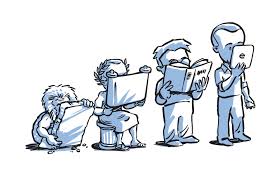
When we think about communication, we often focus on what is being said in the news stories, posts, films, or conversations. But medium theory asks us to look somewhere else entirely: at the medium through which communication happens. Instead of analysing only content, media theory explores how different communication technologies shape the way we think, interact, and even organise society.
Today, we can observe the medium theory in action through the influence of digital media. Social platforms such as Instagram, TikTok, and X don’t just deliver content; they shape the way we present ourselves, maintain relationships, and engage with public discourse. The design of these platforms encourages short attention spans, constant updates, and quick emotional responses. They prioritise visibility, speed, and virality, fundamentally altering how information spreads and how communities form. Medium theorists argue that these effects occur regardless of the content being shared. An educational video and a celebrity meme may seem unrelated, but on a platform like TikTok, both are shaped by the same attention-grabbing rhythms, algorithmic pressures, and performance-oriented norms. The medium creates an environment in which certain behaviours become natural.
One key contribution of medium theory is its insistence that technologies are not neutral. Each new medium reorganises power, culture, and social interaction. For example, smartphones blur the boundaries between public and private life, making communication constant and interruptive. This shifts expectations around availability and relationships.
“The Medium is the Message” – Marshall Mcluhan
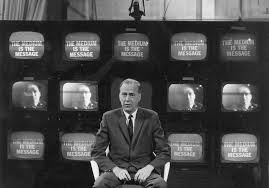
McLuhan’s most famous phrase, “the medium is the message”, captures the essence of Medium Theory. He argued that the real impact of a technology or communication tool does not lie in its content, but in the form of the medium and the ways it restructures human perception.
McLuhan’s point is that media aren’t simply vessels carrying information from one place to another. They’re active forces that reorganise our routines, reshape our senses, and create entirely new social environments. In other words, the medium does more than deliver a message; it becomes part of the architecture of everyday life, subtly influencing how we think, behave, and connect with one another.


