
The concept of Culture Industry was first discussed and written by theorists Theodor Adorno and Max Horkheimer in Dialectic of Enlightenment (1994), originally used as a form of criticism towards mass media. Adorno & Horkheimer used the term to explain how cultural production under capitalism becomes more centred around profit and efficiency rather than creativity or individualism. (Adorno and Horkheimer, 1972)
The two theorists argued how culture within a capitalist society is like other industries in terms of functionality. With media such as films and music being mass produced following formulas to ensure higher consumption rates, rather than approaching challenging or niche topics. It was said that this discouraged audiences from being active in their consumption and instead reinforced dominant social values. (Adorno and Horkheimer, 1972)
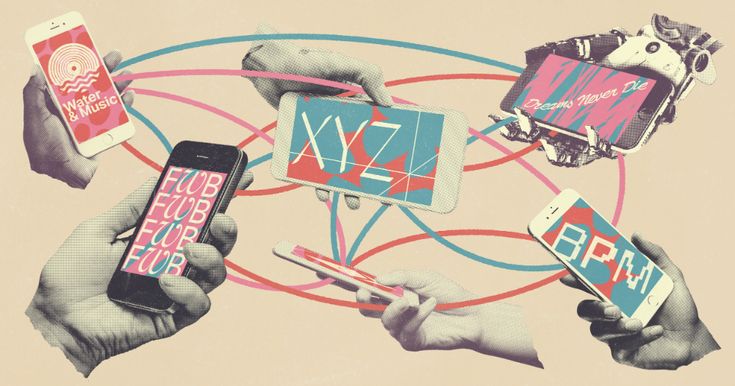
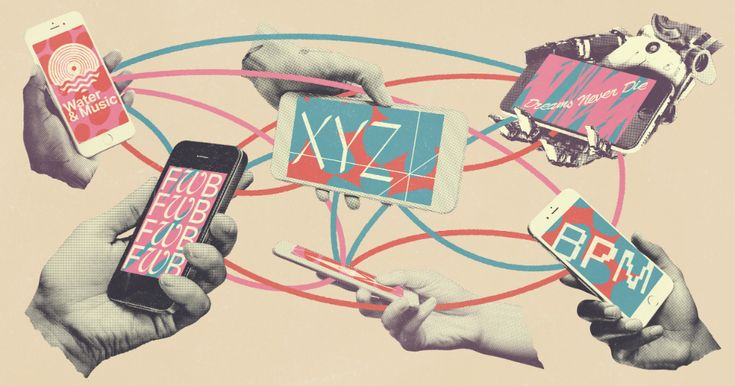
In contemporary media it is common for us to encounter standardisation, where media producers present their products in a diverse manner whilst sticking to tried and tested formulas and structures to minimise risk and maximise success. Standardisation in recent circumstances can be found in global platforms such as Netflix and Spotify, promoting a personalised experiences whilst their formulas constantly mass produce similar genres and narratives. For example, Netflix produce multiple ‘original’ shows and yet their series continue to follow similar narratives of cliff-hanger and bingeable pacing to strongly maximise viewership and retention throughout their productions. This demonstrates Adorno’s concept of pseudo-individualism, discussing how cultural products will illude audiences into believing they are consuming creativity and individualist products whilst conforming and enjoying the same formulated systems as usual.

Culture industry can also be extended to the generations favourite social platforms such as TikTok, through the allowance of letting consumers become producers whilst also consuming the content of others. TikTok specifically is driven by its advertising revenue and calculated algorithm that allows consumers to ‘control’ the content that they come across on their ‘for you’ page. Content that is considered to fall into the platform’s current trends using short-form formats and ‘viral’ audios, will be further pushed by the algorithm to wider audiences. This app showcases the commodification of creativity within production, expression becomes more about metric systems and numbers in the forms of likes and views or following dominant trends rather than the creativity, originality and effort put into a product. Adornos claim that entertainment becomes increasingly subordinate to economic vitality under capitalism. (Adorno, 1991)
The concept of Culture Industry has however been criticized by Stuart Hall who argued that audiences actively consume media texts and may try to negotiate or reject the meanings instead of passively consuming them (Hall, 1980).
In the ever-evolving digital age, culture industry has not disappeared but rather escalated through the likes of streaming platforms and social media that constantly reproduce many of the features identified by theorists Adorno and Horkheimer, despite their repeated promotion and promise of participation, choice and individualism. This concept remains a powerful and crucial reminder of how products part of our everyday media consumption are covertly effected by capitalism.
Bibliography
Adorno, T.W. (1991) The culture industry: Selected essays on mass culture. London: Routledge.
Hall, S. (1980) ‘Encoding/decoding’, in Hall, S., Hobson, D., Lowe, A. and Willis, P. (eds.) Culture, media, language. London: Hutchinson, pp. 128–138.
Horkheimer, M. and Adorno, T.W. (1972) Dialectic of enlightenment. Translated by J. Cumming. New York: Herder and Herder. (Original work published 1944).


