


The male gaze theory is central to media studies when in discussions of gender and representation, introduced by Laura Mulvey in her essay ‘Visual Pleasure and Narrative Cinema’ (1975), the male gaze describes how visual media often positions women as objects of heterosexual male desire, meanwhile men will be given active and controlling roles. Originally the theory was developed to analysed and criticise classic Hollywood cinema yet the concept unfortunately remains highly relevant in todays world of digital media.
Mulvey argued that mainstream media texts are often structured around men and strong messages of masculinity, inviting audiences to relate to male characters whilst objectifying women and their bodies (Mulvey, 1975). This was often done using cinematography techniques such as close-ups, slow motion and shots that essentially cut up the female body to emphasise their appearances rather than any character definition or narrative. Since the establishment of the original theory, feminist scholars have continued to expand on Mulvey’s work, expanding on how the male gaze now operates on a broader system in relation to power, sexuality and capitalism. (Gill, 2007).
A media example of the male gaze can be seen in Transformers (2007), in which female characters are repeatedly frame through sexualised camera angles which priorities the visual spectacle of the female body rather than the development of the actual characters. A narrative that hugely centres male action and a patriarchal portrayal of men being the providers and protectors whilst women as posed as their only function being decorative. This portrayal of women can be massively contrasted however by the movie Mad Max: Fury Road (2015) in which female characters are repeatedly portrayed as main functioning elements of the plot and active agents rather than in eroticised framing as something nice to look at throughout the action and intensity of the genre. This in turn demonstrates how conventions within filmmaking are not fixed and can in fact be reworked by the producer to contrast traditional dominant visual ideologies (Tasker, 2015).
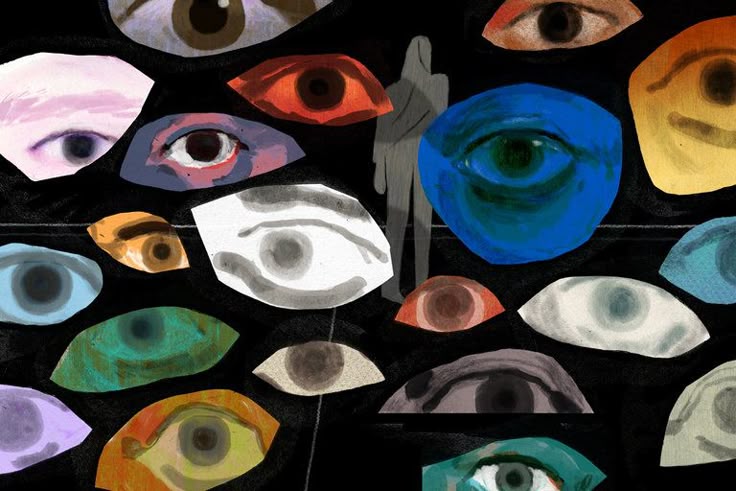
Mulvey’s theory of the male gaze can also be seen throughout the likes of advertising and music videos, in which women’s bodies are used as pull factors to increased audience retention and to sell and promote products. In terms of advertising, studies of perfume and fashion advertising in particular have shown a consistent reliance on a sexualised female presence or imagery to reinforce femininity and reinforce traditional values (Gill, 2007) Whereas music artists such as Beyonce have actively made efforts to challenge these conventions and take different approaches towards women in media productions. For example in her album Lemonade (2016), she reclaims control through narratives of black womanhood and resilience, offering a gaze that challenges Mulvey’s and disrupts the traditional objectification of women (hooks, 1992).
In current digital cultural spaces and products, the male gaze tends to operate in more subtle ways. This can be found on platforms such as Instagram which encourage self-surveillance and proper self-presentation which reinforce traditional and non-conventional beauty standards through an influx of editing and filters. A theorist Angela McRobbie would argue, post-feminist media culture tends to frame self-objectification as empowerment of women, therefore distracting from gendered power relations (such as the male gaze) and making them less visible but equally as influential (McRobbie, 2009).
Laura Mulvey’s theory of the male gaze remains a vital concept within media theory for understanding how visual culture can shape gendered power relations. Whilst contemporary media is increasingly making efforts to challenge previous traditional representations, there still remains reproducing patterns of male desire within film, advertising and social media. When we look into and compare these dynamics, we can truly reveal and begin to understand how media reflects and reinforces inequality.
Bibliography
Gill, R. (2007) Gender and the media. Cambridge: Polity Press.
hooks, b. (1992) Black looks: Race and representation. Boston: South End Press.
McRobbie, A. (2009) The aftermath of feminism: Gender, culture and social change. London: Sage.
Mulvey, L. (1975) ‘Visual pleasure and narrative cinema’, Screen, 16(3), pp. 6–18.
Tasker, Y. (2015) ‘Feminist politics and postfeminist culture in Mad Max: Fury Road’, Feminist Media Studies, 15(6), pp. 1110–1115.


