
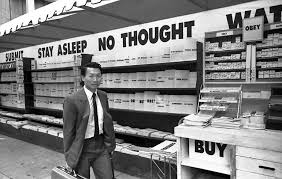
Hi, I’m Chris, and this week we will be talking about the Culture Industry.
What is Culture Industry?
The Culture Industry refers to the production of cultural goods, such as music, film, television, magazines, and now digital media, on a mass, industrial scale. Rather than seeing culture as a space for creativity, diversity, and self-expression, the culture industry describes a system in which culture becomes commercialised, standardised, and commodified.
As cities grew, so did the demand for entertainment. Large urban populations, living more regimented working lives, sought accessible and affordable leisure. This created fertile ground for industries such as cinema, music halls, and later radio. For the first time, culture was being shaped by the tastes and expectations of mass audiences, rather than by elites or specific communities.
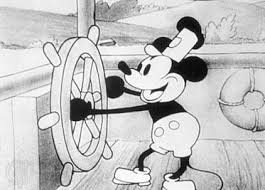
The concept of the culture industry, first introduced by Horkheimer and Adorno, highlights the mass production of cultural goods under capitalism. It is largely criticised; however, the culture industry is not without its advantages.
The culture industry makes a significant contribution to national and global economies. It generates revenue through film, television, publishing, music, advertising, and digital media. It also creates jobs across various fields, including creative, technical, and administrative sectors, making it a vital component of modern economies.
The culture industry provides enjoyment, escapism, and collective experiences. Media, such as popular films or television series, can create points of connection between people, thereby strengthening social bonds.
However, there are still some negatives to this…
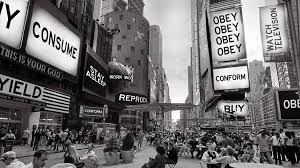
Large media corporations dominate global markets, controlling what audiences see and hear. This concentration of power reduces independent voices and alternative viewpoints. It can also lead to biases in representation, marginalising minority cultures and perspectives.
In conclusion, the culture industry offers both opportunities and challenges. While it increases economic growth and employment, it also raises concerns about the concentration of media power.


I came to realize how little we think about where our entertainment comes from after reading this. Our familiarity with films, music, and shows makes it difficult to overlook the intricate system that exists behind them. The way you portrayed the transition from small communities creating culture to an industry helping me understand why everything can seem so similar sometimes.The bit about big companies controlling most of what we see definitely hit me.
But I also get the positive side you mentioned culture does bring people together. There are films or songs everyone talks about, and that creates this shared experience that’s actually pretty nice. And the economic side is huge too; so many people depend on these industries for work. Overall, this post made me look at the culture industry differently. It’s not just entertainment a lot is going on behind it, both good and bad, and I think you captured that balance really well.