
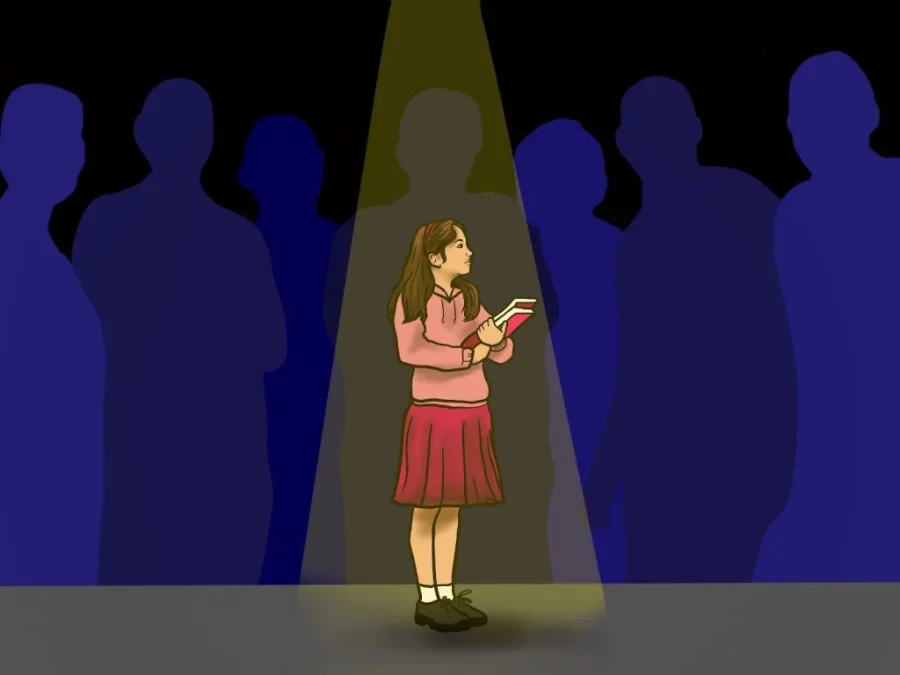
In today’s academic and social spaces, conversation surrounding the “male gaze” is fairly common. The concept refers to the way men tend to portray women – a common example is in film – in a way that emphasizes aspect of the women more appealing to men – for example, physical appearance or sex appeal (Mulvey, 1975). Women are portrayed to be looked at, while men are portrayed as the actionable characters. This is contrasted in many conversations with the “female gaze,” which could refer either to the way women portray men or the way women portray women in media. For the purposes of this blog, however, I’ll be focusing on the later, comparing the way creators of different genders portray women. There are many examples of this in recent popular media:
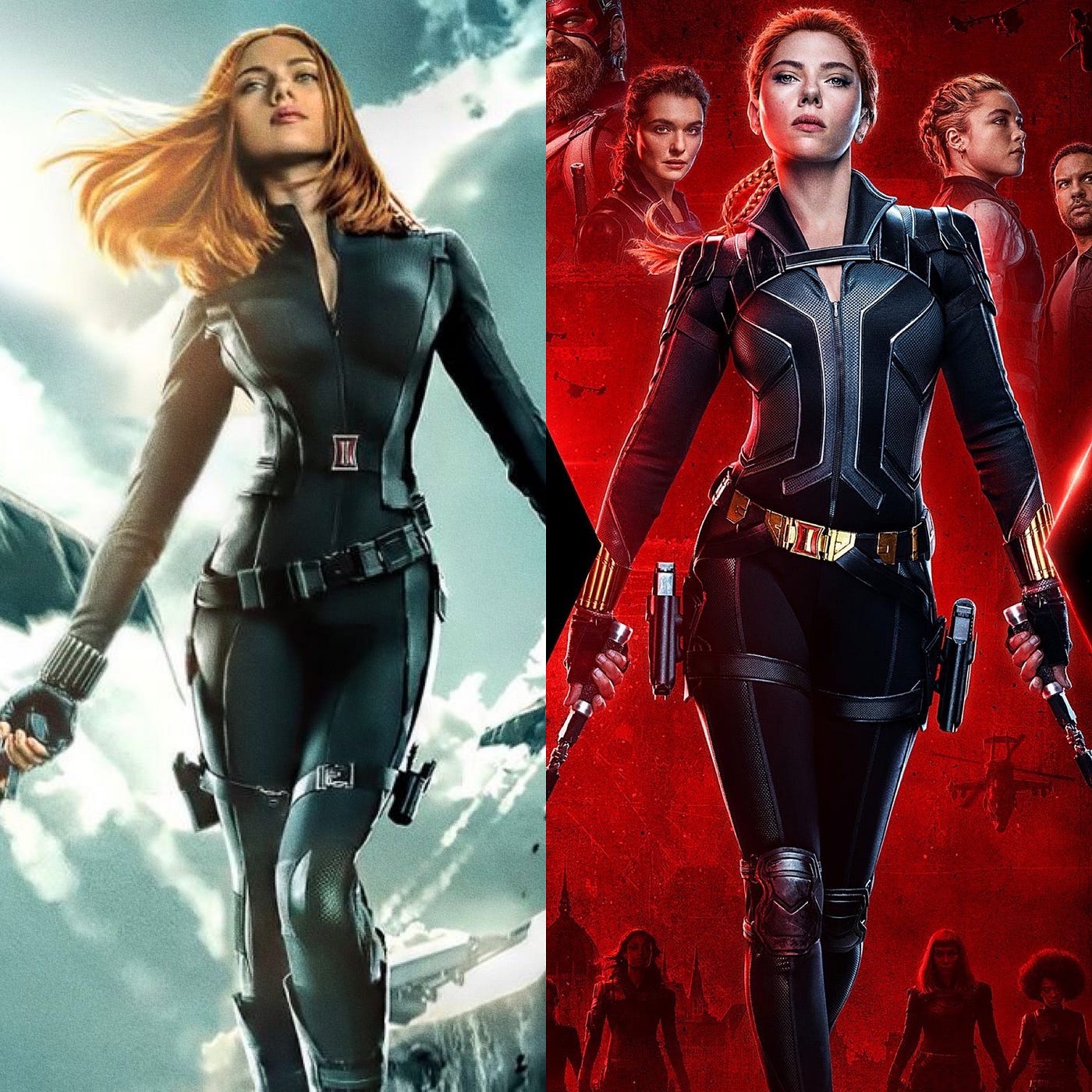
One popular example of the male gaze is that of Black Widow in the Marvel movies. In 2010, the character was introduced in “Iron Man 2,” clad in revealing clothes, with flawless makeup, freshly blown out hair, and lots of objectifying jokes and comments about her appearance. Black Widow, played by Scarlett Johanssen, remained a fixture of the franchise – then, in 2021, finally got her own movie: “Black Widow.” Here, she is a more fully developed character: rather than existing to serve her male companions’ stories, she has her own backstory and a complex character. She’s dressed more practically, her body looks less edited in photos, hair is braided in a style more suited for battle… even, in the photos below, the character’s gaze is different – she goes from staring glassily into the distance to staring the camera down (Dockterman, 2021). The difference is stark. Notably, “Iron Man 2” was directed by a man while “Black Widow” was directed by a woman. It’s a striking comparison that highlights the changes in public consciousness of the male gaze (a lot changed in eleven years), as well as the different portrayals of the same character by two very different perspectives.
Another commonly discussed example of the male gaze is Harley Quinn in the DC Universe (superhero movies are often a clear example of this phenomenon). This character was created to exist alongside the Joker, with whom she is at various points in a highly abusive and toxic relationship. In media leading up 2020, she’s depicted constantly seeking the Joker’s approval and love, going back to him time and time again after she’s treated horribly. In some films, that abusive relationship is essentially romanticized.
But that changed in 2020 with “Birds of Prey,” directed by Cathy Yan and produced by Margot Robbie, who plays Harley Quinn. In this film, Quinn works with a crew of women – instead of the almost-entirely male Suicide Squad. The cast and crew of the film was led by women. And Quinn undergoes an entire style transformation – a new haircut, brighter colours, and clothes that are less to emphasize Robbie’s body than to emphasize Harley Quinn’s character (Hassan, 2021). Her pigtails are not longer long enough to pull on, she wears a necklace instead of a choker, and when she shows skin it’s a choice instead of an accident. The film, which also places an emphasis on female friendship – another departure from many male-led superhero films – is a total departure from previous portrayals of Harley Quinn and gives her a full, rounded character

These are just two of countless examples of how portrayals of women change when the creator’s perspective does. It’s important to be aware of this and to allow different groups of people to tell their own stories – a man writing a woman simply does not have the lived experience that a woman would.
###
Dockterman, Eliana. “Black Widow Began as a Sexist Stereotype. More than a Decade Later, Scarlett Johansson Is Reclaiming Her Story.” Time, 2 July 2021, time.com/6077666/black-widow-scarlett-johansson/.
Gill, R. (2007) ‘Postfeminist media culture: Elements of a sensibility’, European Journal of Cultural Studies, 10(2), pp. 147–166.
Hassan, Nuha. “Written by Women: Harley Quinn’s Escape from the Male Gaze.” Film Cred, 25 Mar. 2021, film-cred.com/written-by-women-harley-quinns-escape-from-the-male-gaze/.
Mulvey, L. (1975) ‘Visual Pleasure and Narrative Cinema’, Screen, 16(3), pp. 6–18.


Great job on efficiently explaining the difference between the male and female gaze and doing so in a way that was so engaging ,especially through the examples of characters such as Black Widow and Harley Quinn. The way you contrasted perspective to show how it affects character representation came out really well. If you could further emphasise the points you made, perhaps a closing thought on what this means for readers would be helpful.
I really enjoyed how you compared the male and female gaze using such recognisable examples. The Harley Quinn example reinforces this even more. Birds of Prey feels like a completely different universe compared to her earlier portrayals, and your breakdown of her costume and character changes makes it clear how intentional those choices were. Overall, your post highlights that representation isn’t just about who appears on screen, but also about who is telling the story and why that viewpoint matters.