
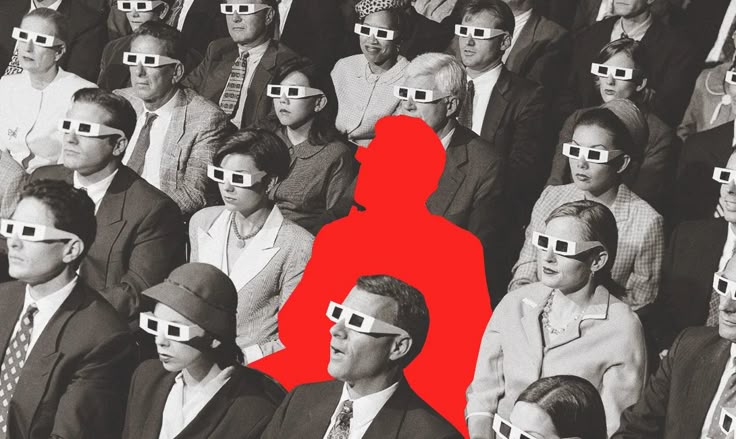
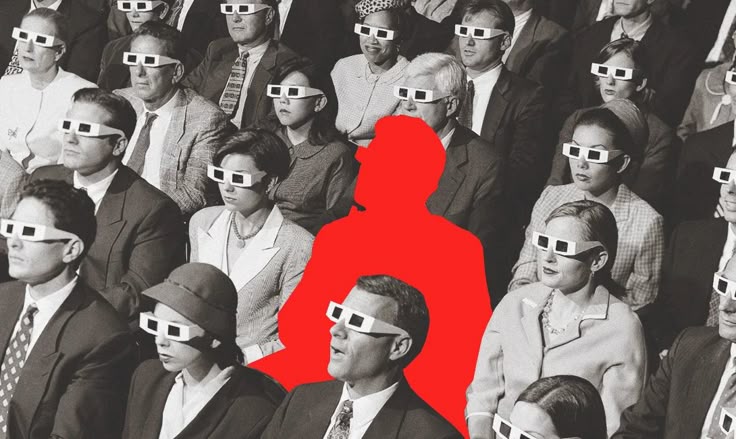
In a world where we are dominated by social platforms, identity is no longer something we naturally discover but instead something consumers active construct and perform for those around them. On platforms such as Instagram, TikTok and LinkedIn people are able to create and portray versions of themselves through a variety of images, speech, interaction and more. In the digital world, identity is shaped not purely by personal choice but alongside platform design, algorithms and economics. Theorist Erving Goffman presented a theory on self-presentation, discussing how identity can be understood as a performance catered to an audience (Goffman, 1959). Digital platforms are continuing to improve and escalate the process through merging social, professional and public audiences into one platform and encouraging identity construction.
Instagram is an important site for studying visual identity construction, the platform is centred around images and aesthetics, encouraging users to present filtered, idealistic versions of themselves and their lives. Filters, editing tools and grids allow users to align themselves with lifestyles they aspire to match/lineup with and cultural trends. This reflects the theory of David Buckingham who would describe this as reflexive identity work, where individuals actively shape and control how they are perceived by those around them (Buckingham, 2008). Furthering this, the influx of influencer culture on platforms like Instagram continues to illustrate how identity has become commodified, as authenticity is tactically used to attract an audience, interaction and brand partnerships.
For a more contrasting model of identity construction we can look to TikTok, a short-form video platform that is driven by trends and a culture that encourages humour, creativity and relatability. TikTok has been seen to reward and platform those who demonstrate authenticity and present in an ordinary manner rather than perfection, however these performances of normalcy are still shaped by the platform’s formulated algorithm that prioritises certain audios, visuals and even identities. Theorists Jose van Dijck argues that platforms dictate social interactions using data and algorithmic visibility (van Dijck, 2013). On platforms such as TikTok, users tend to adapt how they present themselves in order to align with trending content, all to gain visibility and grow their own individual platforms, demonstrating how identity on social media is shaped by the desperation for power and platform rather than for free expression or creativity.
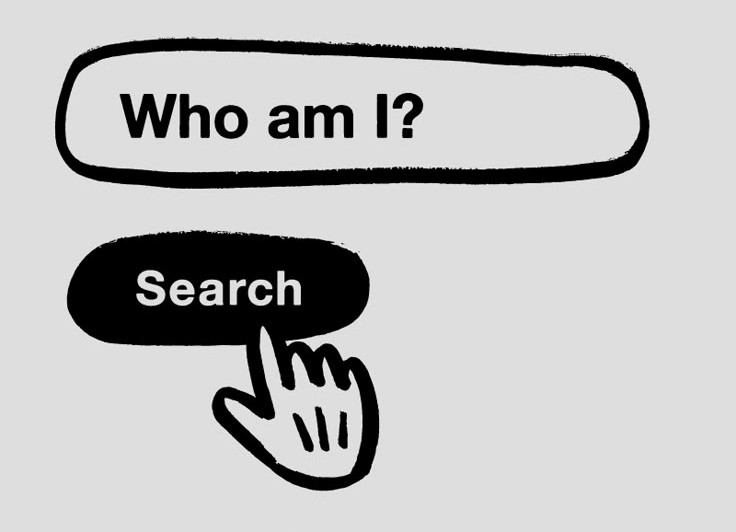
Professional identity platforms such as LinkedIn highlight how identity construction can vary across platforms, unlike Instagram and TikTok, LinkedIn encourages users to present themselves in a performance of professionalism. Users are rewarded for presenting career achievements, network and skills. This reinforces the idea that identity within the digital world is context-dependent and shaped by the expectations and norms of the platform. This point aligns with the arguments of Sherry Turkle who discussed how a digital environment encourages multiple, shifting identities (Turkle, 1995) Whilst this allows for flexibility and discovery of individualism, it also creates a pressure to maintain a front and constantly perform on these platforms.
Identity in the digital world is ever-evolving, performative and platform specific. Social media platforms such as Instagram and TikTok demonstrate how users present themselves and reveal how digital identity is constructed based on three things, self-expression, technology and power.
Bibliography
Buckingham, D. (2008) Youth, identity, and digital media. Cambridge, MA: MIT Press.
Goffman, E. (1959) The presentation of self in everyday life. London: Penguin.
Turkle, S. (1995) Life on the screen: Identity in the age of the internet. New York: Simon & Schuster.
van Dijck, J. (2013) The culture of connectivity: A critical history of social media. Oxford: Oxford University Press.


