
Category: Blog
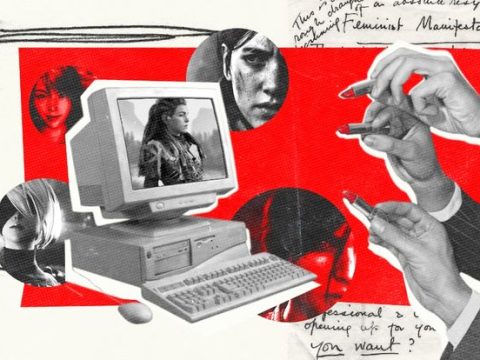
The Male Gaze
The male gaze theory is central to media studies when in discussions of gender and representation, introduced…


Ideas of Encoding and Decoding
Communication is not seen as straightforward delivery of meaning from producer to audience in media studies, instead…
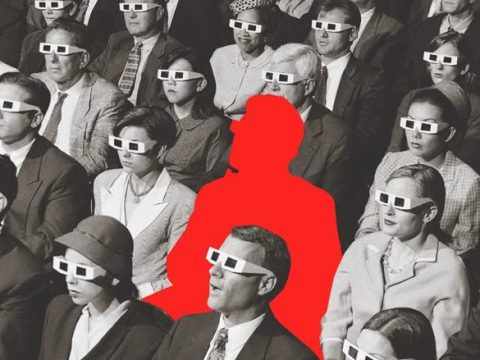
Construction of Identity in the Digital World
In a world where we are dominated by social platforms, identity is no longer something we naturally…
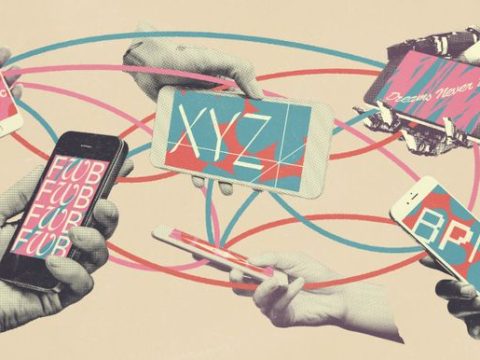
Culture Industry in Contemporary Media
The concept of Culture Industry was first discussed and written by theorists Theodor Adorno and Max Horkheimer…

blog3 Constructing Identity in the Digital Age
In the digital era, identity is no longer an “unchanging and firm” thing. Instead, it’s something we construct,…

blog5 Algorithmic Biases: Why Technology Isn’t As Neutral As We Think
In today’s digital world, algorithms sit quietly in the background of almost everything we do. They recommend…
blog2 When Everything Post a Certain Period Is Content: Notes on the Culture Industry in an Era of Overproduction of Metaphors
Culture industryThe culture industry, as developed in the writing of Theodor Adorno and Max Horkheimer (1944), suggests…

Women in media: male vs. female gaze
In today’s academic and social spaces, conversation surrounding the “male gaze” is fairly common. The concept refers…

Encoding and Decoding; Miscommunication in the Digital Age
Stuart Hall coined the concept of encoding and decoding in communication in 1973, positing that in the…

Digital Self: Is your online identity a performance?
Our identities have been formed by innumerable factors in our lives – our experiences, emotions, challenges and…
Understanding Algorithmic Bias
Algorithmic bias means the unfair results created by computer systems or AI. Even if machines look neutral,…

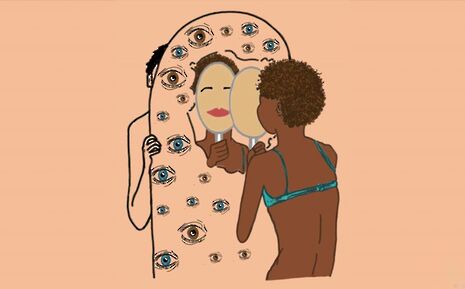
Seeing Otherwise: Challenging the Male Gaze in Media
Since its first publication in 1975, Laura Mulvey’s theorization of the male gaze has remained a central…

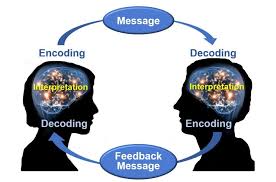
Ideas of Encoding and Decoding
When we think about media, whether it’s a Netflix series, a political speech, or a TikTok video,…


Medium Theory
When we think about communication, we often focus on what is being said in the news stories,…
Women on Screen and the Male Gaze
In media studies, “male gaze” is a crucial concept for understanding how women are presented in popular…


The Male Gaze
What is the Male Gaze? The Male gaze is a concept from feminist theory that describes how…

Culture Industry
Hi, I’m Chris, and this week we will be talking about the Culture Industry. What is Culture…
When the Camera Has a Gender: The Viewing of Women Across Cultures
Have you noticed that in both Western blockbusters and Chinese idol dramas, women are often presented in…

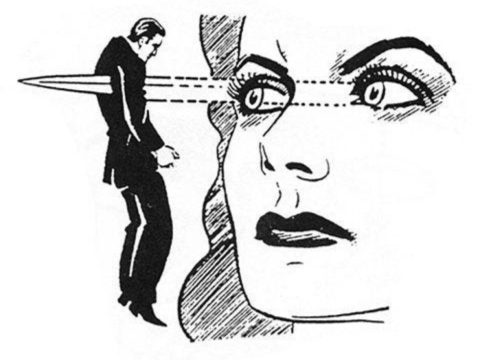
“When Women Are Watched but Not Understood: The Male Gaze”
We often think “looking” is just accidental eye contact, but in cultural narratives, it’s one of the…


“Did Women Ruin The Workplace?” No, Male Gaze Did.
Laura Mulvey’s “Visual Pleasure and Narrative Cinema” (1975) was a groundbreaking commentary on mainstream gender and media…

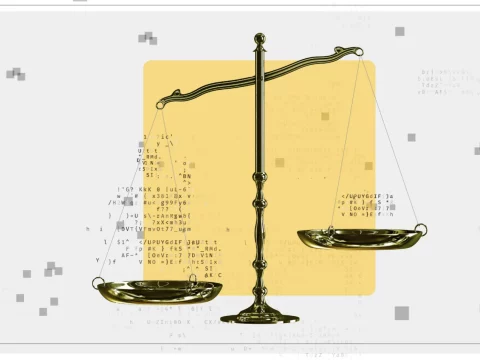
Why do algorithms become biased?
Algorithms have never been purely mathematical. They take in the real-world bias and amplify it. Whether it is the imbalance in training data or the value choices platforms make when designing models, there is always social power behind what is called ‘objective technology’. To understand algorithmic bias is to understand the world we live in.


Male Gaze and Lust, Caution: When “Being Seen” Becomes a Burden
When I first encountered the term male gaze, the film that immediately came to my mind was…


The Male Gaze and New Media – How We See Women Today
The idea of the male gaze has been around since Laura Mulvey wrote about it in the 1970s, but the concept still…

How Media Shapes Our Understanding: Revisiting “Manufacturing Consent” and the Encoding/Decoding Model
In today’s digital environment, we encounter an endless flow of information—advertisements, political commentary, lifestyle videos, brand messages,…