
An overview detailing the effects social media has on the presentation of self
How Do We Perform Online?
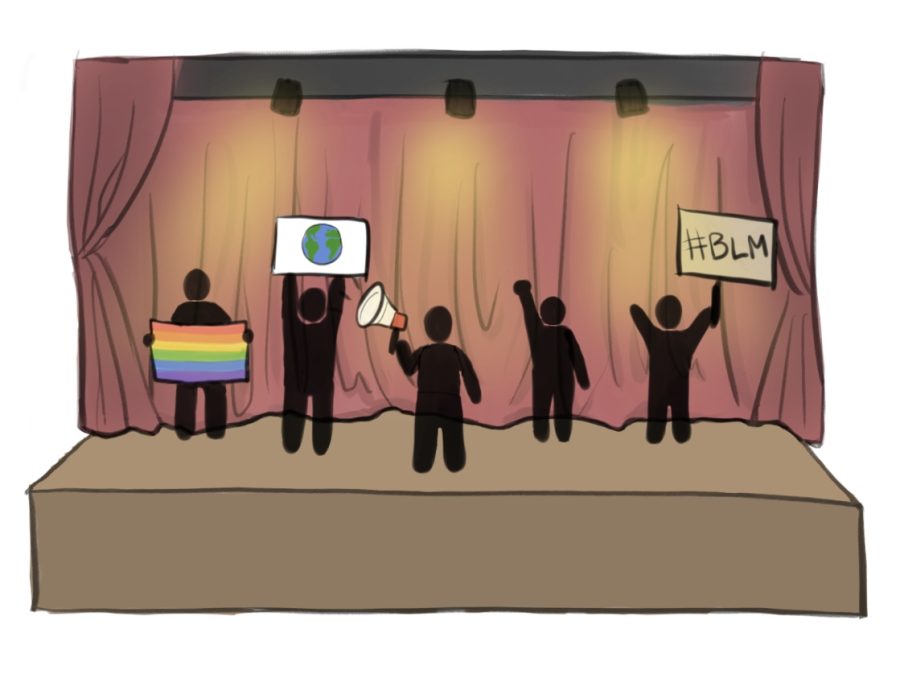
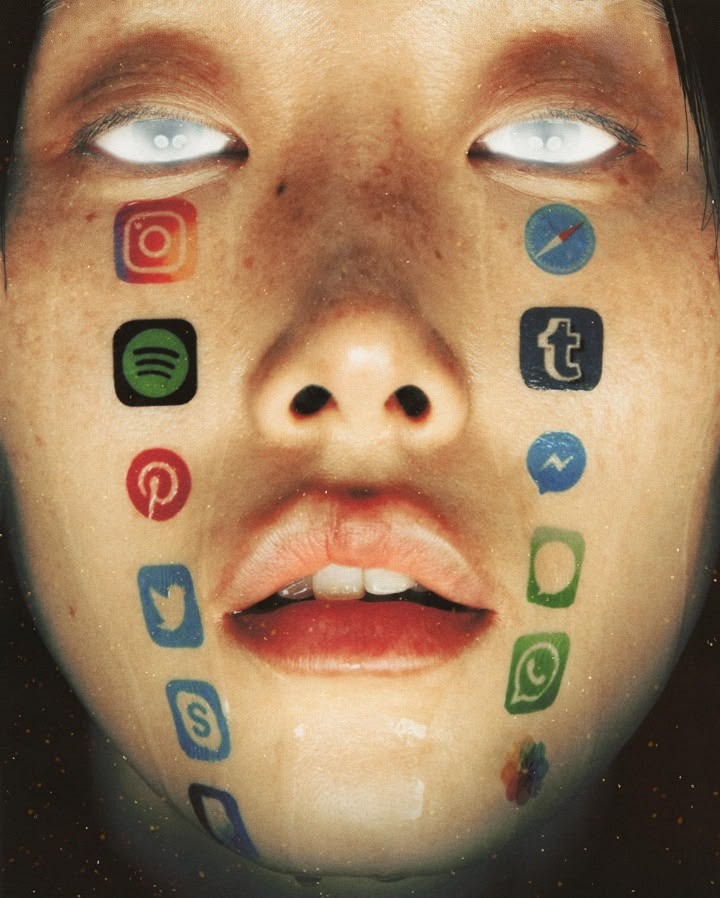
It is common to go online and see thousands of seemingly similar posts, whether its holiday pictures/videos, cat content or some form of public opinion, uniformity is portrayed as the correct role to take online. Those who do not agree with the masses or perform popular trends risk the possibility of ostracisation, low engagement or worse ‘cancel culture’. Additionally, it is common to witness performative activism online where a cause can be reposted, engaged with or even commented on without the social media user needing to have done much research or align with it. As stated by Royal Holloway “At a time where everything is documented, recorded, and posted,
it remains all too possible to present something false purely for social admiration and increased profile engagement.”(Gegiu, 2021). This concludes that social gratification is commonly a desired outcome of performing a specific identity online, especially if it’s an identity that aligns with what is buzzworthy.
Are We Always Performing Online?
Sociologist Erving Goffman understood the concept of performative identities all too well yet could not anticipate that his findings would still apply 70 years later. In his handbook, The Presentation of Self In Everyday Life “he talks about the social construction of self in a world he considers to be a stage, with all men and women merely being the players.” (Haziq, 2016). According to Goffman our identities solely rely on social interaction, therefore the projection of the self is enacted and only concerned by public perception. In modern day society Goffman’s perspective can be evidenced through digital discourse, exemplary in the recent social media scandal where artist Ed Sheeran faced public scrutiny for choosing not to speak on political issues regarding Palestine and received backlash due to his claim of not being a “activist musician” (BBC,2026). Thousands of social media users expressed their outrage towards his decision to remain neutral, claiming that his silence signalled compliance towards genocide. However, it can be argued that the reaction towards Ed Sheeran’s apolitical disposition was performative as the artist hadn’t claimed to be heavily involved with political activism in the past and should’ve been expected to have knowledge on the topic before publicly speaking out. Ultimately, this event displays Goffman’s ideology of public perception taking precedent in how individuals present themselves, often meaning that people are expected to behave in ways unnatural to them to appease others.
Can Authenticity Exist Online?
Goffman’s theory highlights how digital identity can be parallel to what is popular which results in performatism and the creation of social media activism for causes that users are not truly invested in. However, some may argue that people spreading social awareness is a positive thing, social media has raised attention to issues and has become a powerful tool used to campaign for those who need their voices amplified. Overall, I believe that there are many social media users that educate themselves and form their own opinions on topics before speaking on them. I am also aware that there are a large group of users who don’t, therefore, social media users have a duty to be responsibly honest about what they believe in, despite the potential backlash their perspectives may cause but only once they have thoroughly educated themselves on the relevant topic.
References –
Gegiu, L. (2021). Activism in the digital age: the rise of the Performative Activist. [online]. Available at: https://intranet.royalholloway.ac.uk/ecampus/documents/pdf/finance/travelawards/2021travelawardreports/jaimi-morter-mary-macpherson-essay-prize-activism-in-the-digital-age.pdf.
Haziq, S. (2019). Putting the best digital self forward in the age of Social Media. [online] Medium. Available at: https://medium.com/@haziqsabreen25/putting-the-best-digital-self-forward-in-the-age-of-social-media-d3dbec422b73
Carl Nasman and Jonathan Csapo and Saad, N. (2026). Ed Sheeran admits ‘mistakes’ at first show since Macklemore controversy in Philadelphia. BBC News. [online] 20 Sept. Available at: https://www.bbc.co.uk/news/articles/cm780ll1de18o


