
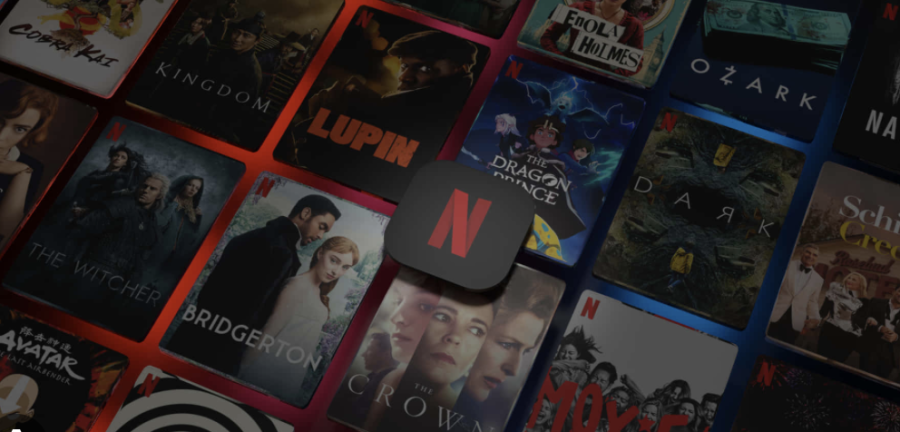
When thinking about platforms such as Netflix, it’s easy to think of entertainment, relaxing after university, or finding a new series to become obsessed with. Although looking at streaming through the Culture Industry theory makes you consider whether entertainment is also a business that influences what we watch and how we consume culture.
Culture industry is a concept that argues that culture in modern capitalist societies is increasingly produced like a commercial product, which prioritises profit and mass consumption. It was developed by Theodor Adorno and Max Horkheimer, two people who were associated with the Frankfurt School. In Dialectic of Enlightenment (1944/1947), they argued that culture under capitalism increasingly becomes a commercial product. Instead of prioritising creativity and individuality, the culture industry produces entertainment for mass consumption, often following familiar formulas that make it commercially successful.
Netflix is an interesting example of how this theory can be applied to contemporary media.
Streaming platforms give audiences access to an enormous range of films and television programmes. However, it is worth questioning how much freedom we actually have when choosing what to watch. Netflix recommends programmes based on viewing patterns and presents content through personalised categories. Research by Hallinan and Striphas (2016) explores how Netflix’s recommendation system influences the way cultural products are classified and evaluated. This suggests that our viewing choices are shaped not only by personal interests but also by the systems through which entertainment is presented.
Another connection to the Culture Industry is the use of familiar storylines, sequels, remakes and established genres. From my perspective, these examples raise questions about whether entertainment companies sometimes prioritise commercially predictable content over originality. This does not mean that every Netflix production lacks creativity. Rather, the theory encourages us to consider how the pursuit of profit can influence which cultural products are produced, promoted and made visible.
It’s also interesting that streaming can make consumption feel effortless. Instead of actively searching for something new, we can follow recommendations and move from one episode to another. A study by Pittman and Sheehan (2015) examined binge-watching as a form of television consumption, highlighting how streaming changes viewing habits. This makes me question whether convenience sometimes encourages us to consume more entertainment without thinking about how our habits are shaped.
although, audiences are simply passive consumers. People can reject recommendations, discover independent films and use entertainment to explore different cultures and perspectives. Netflix can therefore provide opportunities for cultural diversity as well as commercial standardisation.
References
Adorno, T.W. and Horkheimer, M. (1944/1947) Dialectic of Enlightenment: Philosophical Fragments. Chapter: ‘The Culture Industry: Enlightenment as Mass Deception’.
Hallinan, B. and Striphas, T. (2016) ‘Recommended for you: The Netflix Prize and the production of algorithmic culture’, New Media & Society, 18(1), pp. 117–137. https://doi.org/10.1177/1461444814538646
Pittman, M. and Sheehan, K. (2015) ‘Sprinting a media marathon: Uses and gratifications of binge-watching television through Netflix’, First Monday, 20(10). https://doi.org/10.5210/fm.v20i10.6138


