
Have you ever watched an advert and wondered why a certain product is being presented the way it is? From skincare and makeup, to fashion and leisure, media messages encourage us to associate products with beauty, confidence and success, but do audiences interpret them as advertisers intended? Stuart Hall’s theory of Encoding and Decoding argues that this system of sending and receiving messages in media is not that simple.
Hall (2006) explains how media producers encode messages for audiences, but this doesn’t guarantee these audiences will interpret them as intended and the same meaning can be interpreted in different ways. He reports three different audience reading positions: dominant, negotiated and oppositional. A dominant reading happens when an audience fully accepts the intended message; a negotiated reading is when an audience accepts part of the message but questions some of it; and an oppositional reading happens when they understand the intended message but actively reject and challenge it.
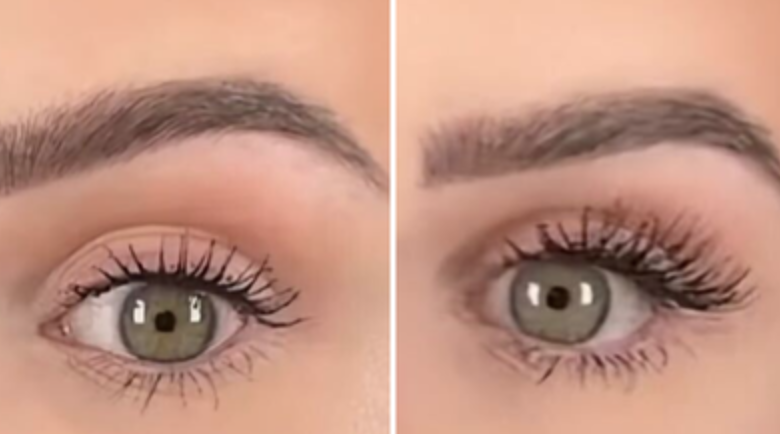
Beauty advertising is a good example, with audiences reactions easily seen on platforms like TikTok and Instagram. The beauty industry increasingly promotes “Clean Girl” and “No-Makeup” makeup trends, seen by brands sold through companies like Boots and Superdrug. They include messages of effortless natural beauty and flawless skin such as “your skin but better” and expensive Benefit mascaras that supposedly provide ‘super curling and lifting’. Someone who accepts the advert’s promise of effortless natural beauty and believes the product will help achieve it, demonstrates a dominant reading. Another may like the product and buy a couple but recognise that achieving the promoted look requires a lot more prep than suggested, questioning how realistic the results are and forming a negotiated reading. But, someone else may reject the whole message while believing the advert promotes unrealistic beauty standards and excessive, unnecessary costs, which is known as an oppositional reading. This can also be seen when Mikayla Nogueria was promoting a L’Oreal mascara and was called out for secretly adding a false lash, contributing to wider conversations on influencer transparency and ‘de-influencing’. These trends are interesting because the idea of looking naturally flawless can still require buying multiple products and following specific routines, which raises questions of what the industry is actually promoting, and whether it’s creating another standard audiences feel they should achieve.
Interestingly, all three audience could watch the same advert and come away with completely different interpretations, raising questions about how much control media producers have over audiences. This relates to Roland Barthes’ ideas on myth, especially how everyday media representations can lead to cultural values and beliefs seeming more natural or unquestionable (Barthes, 2006). Beauty advertising can make certain beauty standards appear more natural, not socially constructed and they don’t only sell products, but can also strengthen wider ideas on what beauty is. Yet audiences aren’t simply passive recipients of these messages as individuals are all able to question, challenge or reject the meanings suggested to them.
Overall, Hall’s theory shows how consuming media isn’t just about receiving information, but how audiences actively interpret it. We may not always recognise the messages given to us, but that doesn’t equate to blindly accepting them. It’s important for audiences to question and challenge them, especially as companies keep adapting their advertising following new trends online.
References
Findlay, S. (2023). ‘Did she add individual false lashes?’ The Mikayla Nogueira mascara debate that divided the internet. [online] Mamamia. Available at: https://www.mamamia.com.au/who-is-mikayla-nogueira/ [Accessed 16 Nov. 2026].
Hall, S. (2006) ‘Encoding/Decoding’, in Durham, M.G. and Kellner, D. (eds.) Media and Cultural Studies: KeyWorks. Revised edn. Malden, MA: Blackwell, pp. 163–173.
Barthes, R. (2006) ‘(i) Operation Margarine; (ii) Myth Today’, in Durham, M.G. and Kellner, D. (eds.) Media and Cultural Studies: KeyWorks. Revised edn. Malden, MA: Blackwell, pp. 99–106.


