
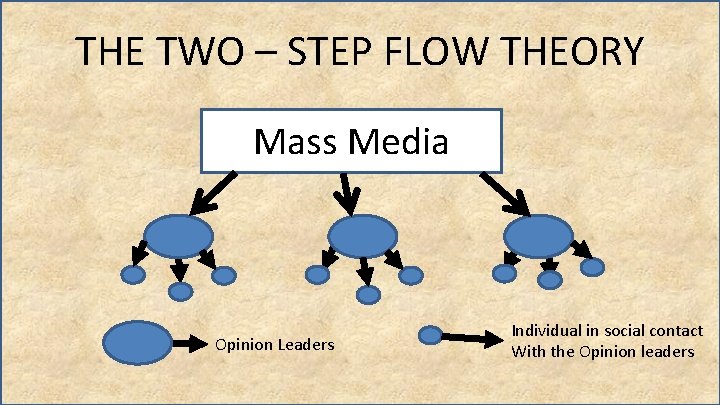
The Two-Step Flow Theory, developed by Elihu Katz and Paul Lazarsfeld (1955), suggests that media messages often reach audiences through opinion leaders, who interpret information and influence others’ opinions. Rather than being passive receivers of media content, audiences may rely on people they trust to understand and evaluate information. Although this theory was originally developed to explain the influence of traditional mass media, it remains relevant in today’s digital environment, particularly on social media platforms such as YouTube.
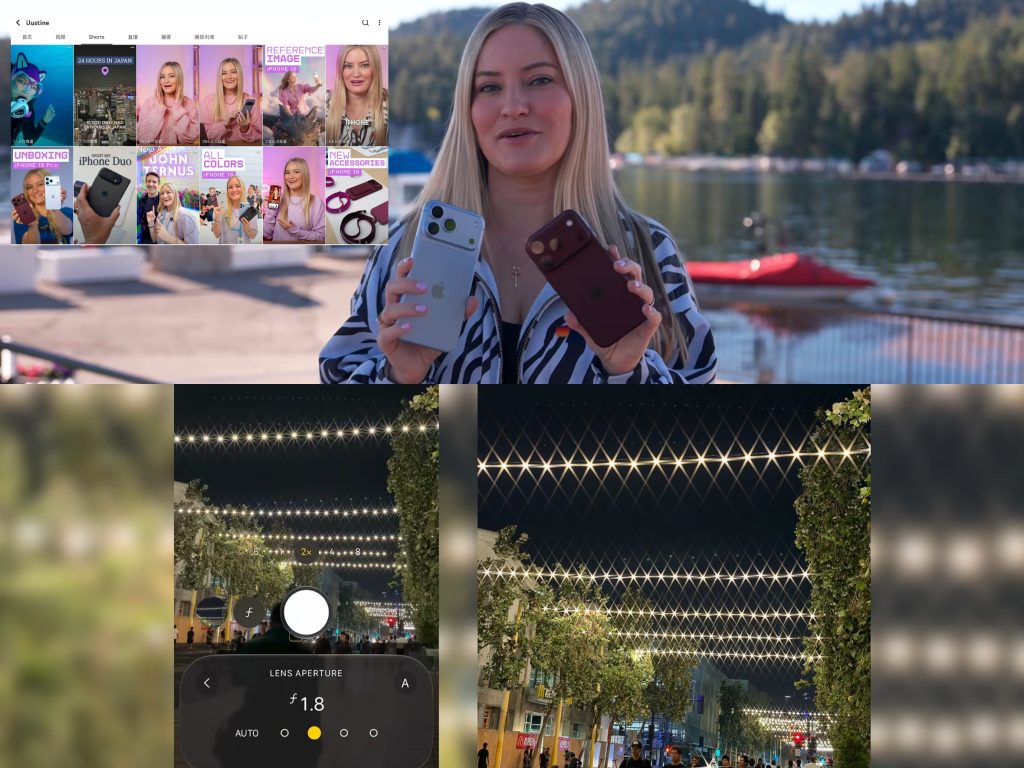
In the digital age, YouTube has become an important source of information for online views and consumers. Creators can act as opinion leaders by sharing their personal experiences, knowledge and establish relationships with their audiences (Harff et al. 2026). Because they make the information simple and easy to understand. Their remarks can sometimes influence some audience’s judgment of things. For example, people before buying an expensive product such as the iPhone 18 Pro Max. Rather than relying only on Apple’s advertisement, consumers can watch real-world tests and comparisons. They can through the blogger’s product reviews to learn about the camera, new features, battery life and cost-effectiveness of the product. Audiences might use these reviews to decide whether the product meets their needs.
A creator who is regarded as professional, honest and capable of generating empathy is more likely to influence the attitudes and purchasing decisions of the audience. This reflects the Two-Step Flow Theory, as the audience does not merely rely on the information provided by the brand. They also understands the product through the perspectives and experiences of the evaluators. Besides, YouTube’s recommendation algorithm influences which videos users encounter.
However, the relationship between opinion leaders and audiences also deserves critical attention. Some creators may have commercial partnerships with brands, which could influence how they present products. Although commercial advertising does not automatically make a review unreliable. It raises questions about the trust and transparency. Audiences therefore need to consider both a creator’s expertise and their potential commercial interests.
Conclusion
The Two-Step Flow Theory provides a useful perspective for understanding how online opinion leaders influence public attitudes and consumer behaviours. In this era, the roles of content creators, audiences, algorithms and commercial interests add further complexity to the communication process. This suggests that the theory remains relevant, while its application can be further explored in the context of contemporary digital media.
Reference
1.Katz, E. and Lazarsfeld, P.F. (1955) Personal Influence: The Part Played by People in the Flow of Mass Communications. Glencoe, IL: Free Press.
2.Harff, D., Schmuck, D. and Stehr, P. (2026) ‘Revisiting opinion leadership in the digital realm: Social media influencers as proximal mass opinion leaders’, New Media & Society, 28(6).
Available at: https://doi.org/10.1177/14614448251336441.


