
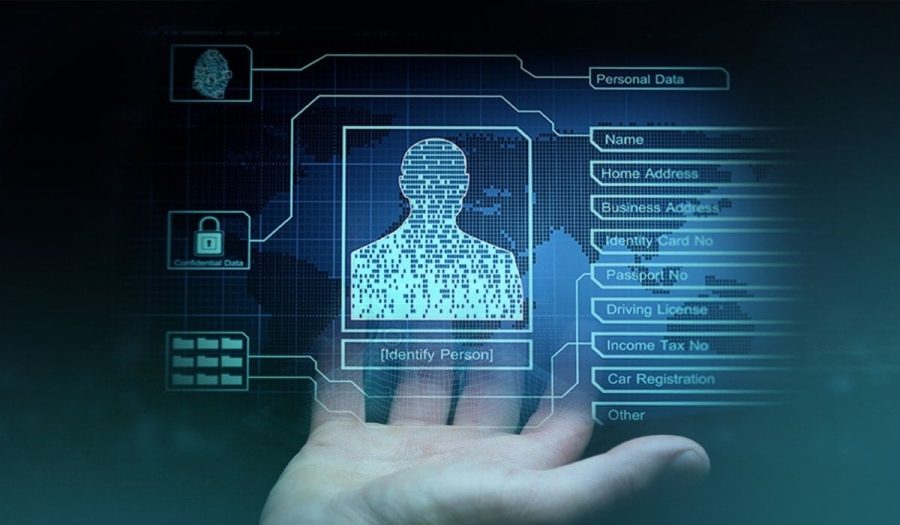
Just one profile picture, three different Instagram accounts and a carefully chosen caption is supposed to show people exactly who we are . In a world where everyone is watching, are we showing people who we truly are, or who we want them to view us as?
Think about the last time you posted a photograph. How many pictures did you take before choosing the perfect one? Did you edit it, change the caption or wait for the right moment to post? All these small, important decisions reveal something interesting about how we construct our identities online. Social media has turned everyday life into a space where our personalities are presented as well as simply expressed.
Erving Goffman (1959) explored a similar idea in The Presentation of Self in Everyday Life. He compared social interactions to theatrical performances, suggesting that people change how they behave depending on their audience, just like an actor would on stage. So are we simply acting a certain way on social media when in reality we’re not like that at all? Are we faking everything? This can be explained by his concept of impression management. This concept describes how we attempt to control the way others perceive us. In today’s digital world, Instagram profiles, TikTok videos and even LinkedIn pages have become our personal stages. We choose what to share, what to hide and which version of ourselves deserves the spotlight.
But what happens when the audience becomes an entire online community?
A very interesting perspective can be added here. Danah boyd (2014) in It’s Complicated: The Social Lives of Networked Teens, explores how young people navigate their identity and their relationships in networked spaces. Highlighting how social media inevitably creates overlapping audiences, meaning a single post might be seen by friends, family, classmates and even strangers. Therefore, presenting yourself becomes more complicated than you know. The version of you that works for your TikTok might not be the version you want your university lecturer or even future employer to see.
However, this doesn’t always necessarily mean our online identities are 100% fake. Social media can offer a lot, including providing people with the freedom to experiment with certain fashion and creativity they might not feel comfortable exploring offline away from the screens. It can definitely be seen as a place to discover yourself rather than simply an opportunity to put on a performance for your followers.
Nonetheless, if we spend so much time creating the perfect version of ourselves for the world to see, how much of the person behind the screen are we actually leaving behind?
References:
boyd, d. (2014) It’s Complicated: The Social Lives of Networked Teens www.danah.org/books/ItsComplicated.pdf
Goffman, E. (1959) The Presentation of Self in Everyday Life. Doubleday.


