

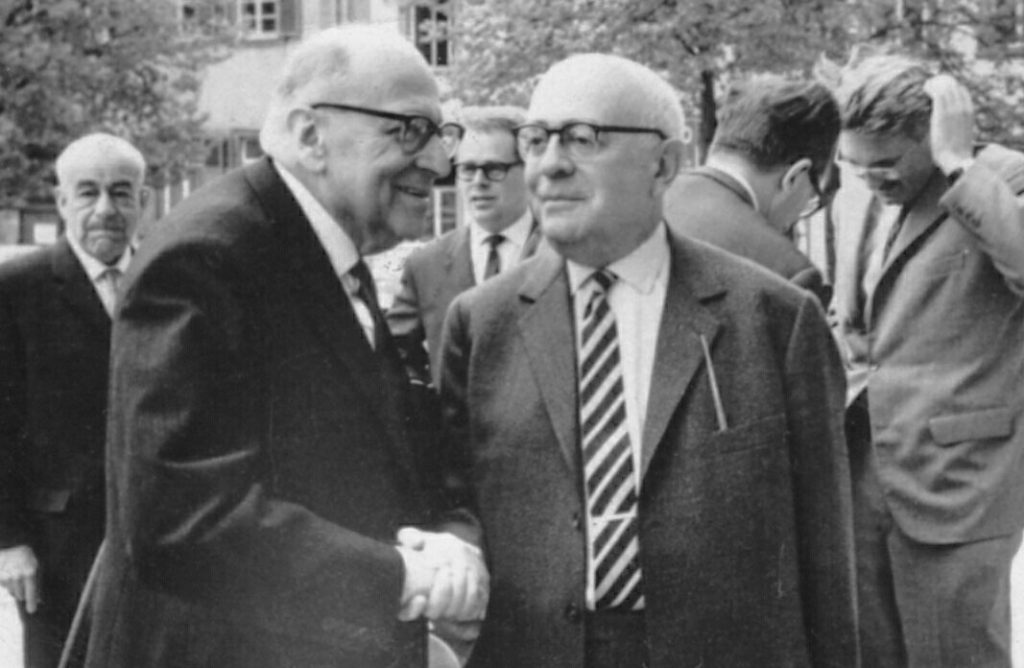
In the 1940s, german pholosophers Horkheimer and Adorno argued that mass culture had become an industry, producing standardised flow of content that keep people passive. Products may look different but are fundamentally the same, and the choice offered to consumers is basically an illusion. Adorno called this pseudo-individualisation (Horkheimer and Adorno, 2006).
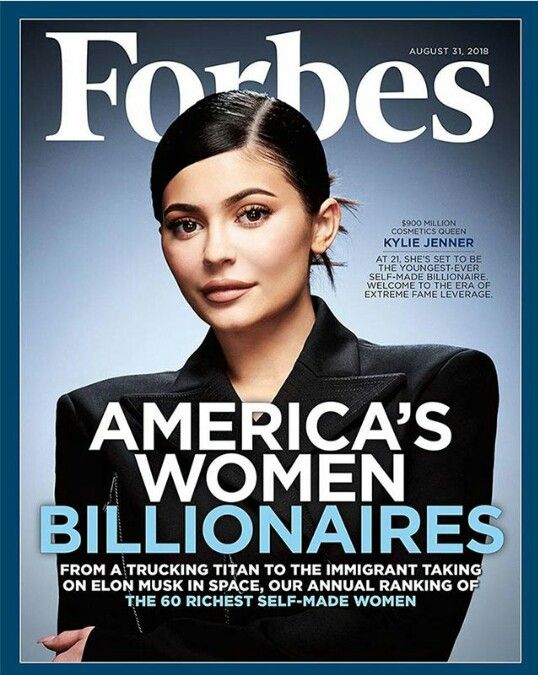
Kylie Jenner phenomenal influence is a great example: she became famous through reality television and built a her cosmetics brand on social media, presented as one young woman’s personal success. In 2019 Forbes named her the youngest self-made billionaire. In 2020 it reported, after analysing public records, that her wealth had probably been inflated and was likely below a billion (Owens, 2020). This is what should concern us -the “self-made” image was part of the product, and audiences consumed it as fact and trusted Kylie through a lens of a independent woman.
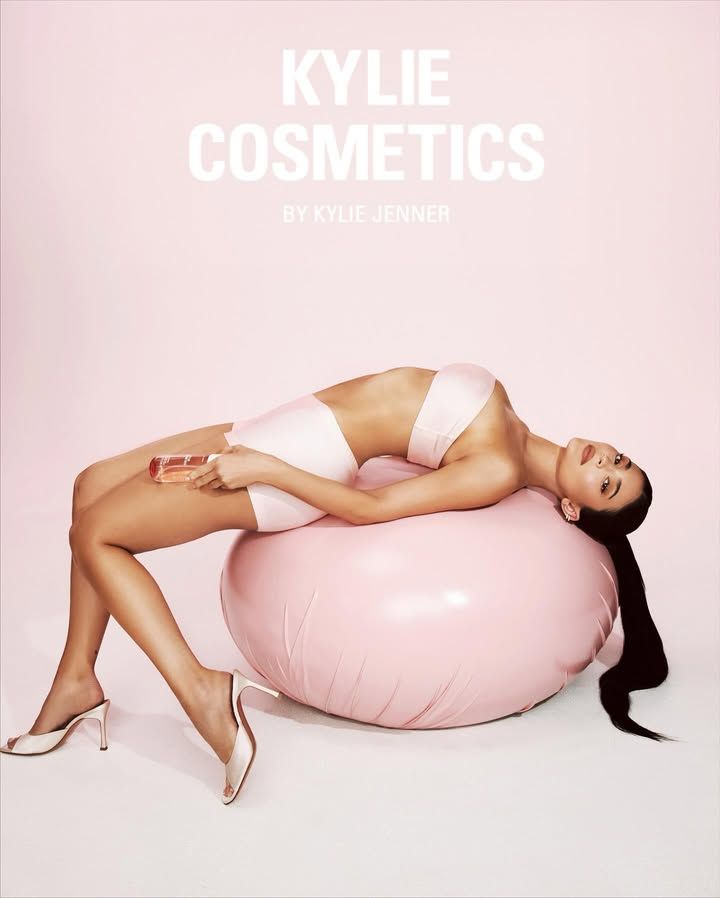
Owens (2020) argues that influencer’s companies take something already widely sold and slightly modify it. Kylie Jenner sells makeup, a filled pool with few ways to stand out. Shades names and limited drops create a feeling of variety and urgency around a basically similar and trivial item, which is pseudo-individualisation in practice.
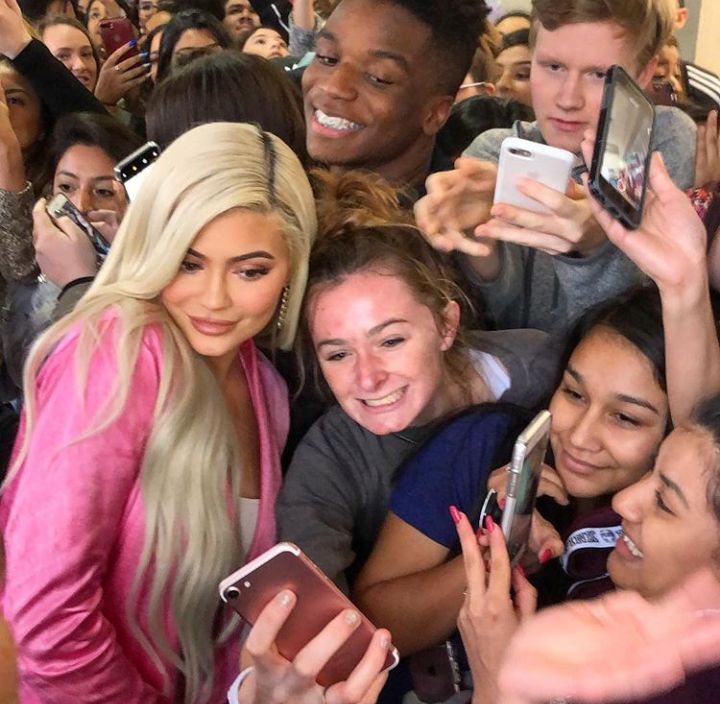
Most people who buy a Kylie Jenner lip kit are already her followers. They don’t compare it with every other lipstick and pick the best one. Many buy it to show they like her and want to support her, the way you might buy a band’s t-shirt. If people buy because they like her, then what they really purchase is a feeling of being close to her. The lipstick is the physical proof of that connection.
For example, when you watch her story or her morning routine, you feel you’re just being entertained. But the same content makes you like her and want her products, so it works as an advert too. You can’t easily tell where entertainment stops and marketing starts. And Adorno argued that in the culture industry, free time is no longer separate from shopping. Entertainment and the market are mixed together, so the leisure is also a way of being sold to. When I watch an influencer’s daily life, I think I’m relaxing, but I’m also being shown what to want. Fans buy Jenner’s products to feel close to her, and because their free time is already spent following her, entertainment and advertising have become the same thing.
But Adorno’s view is too extreme: Stuart Hall (2006) argues that people can question or reject what media tells them, and many of them joke about or ignore influencer products.
Adorno has also been criticised as elitist for looking down on popular culture. Still, his idea of standardisation helps explain why a Kylie Jenner launch feels exciting and predictable at the same time.
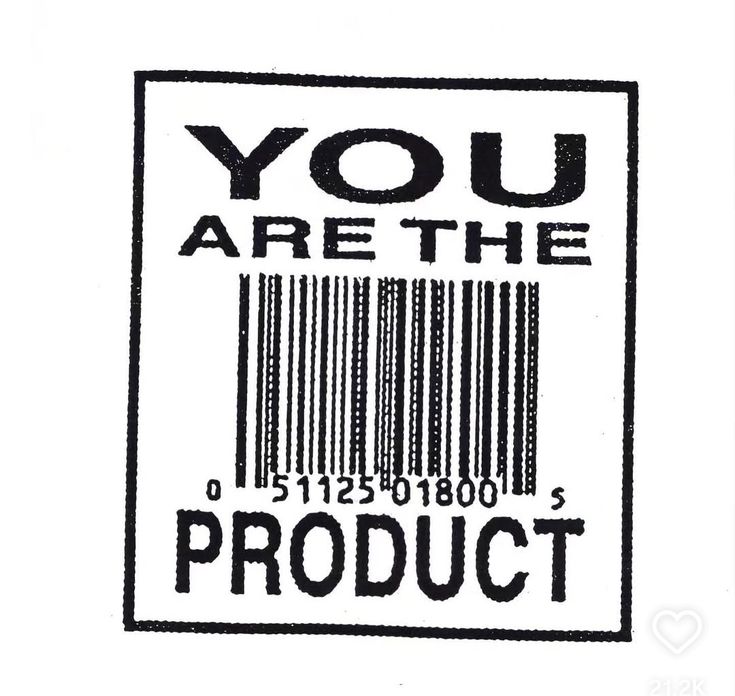
Think about the last product you bought. Did you choose it, or was it chosen for you by someone you follow?
References:
Hall, S. (2006) ‘Encoding/decoding’, in Durham, M. G. and Kellner, D. (eds.) Media and cultural studies: keyworks. Rev. ed. Malden, MA: Blackwell, pp. 163-173.
Horkheimer, M. and Adorno, T. (2006) ‘The culture industry: enlightenment as mass deception’, in Durham, M. G. and Kellner, D. (eds.) Media and cultural studies: keyworks. Rev. ed. Malden, MA: Blackwell, pp. 41-72.
Owens, S. (2020) ‘What Kylie Jenner’s lies tell us about the influencer economy’, Simon Owens’s Media Newsletter, 3 June. Available at: https://simonowens.substack.com/p/what-kylie-jenners-lies-tell-us-about (Accessed: 19 October 2026).


