
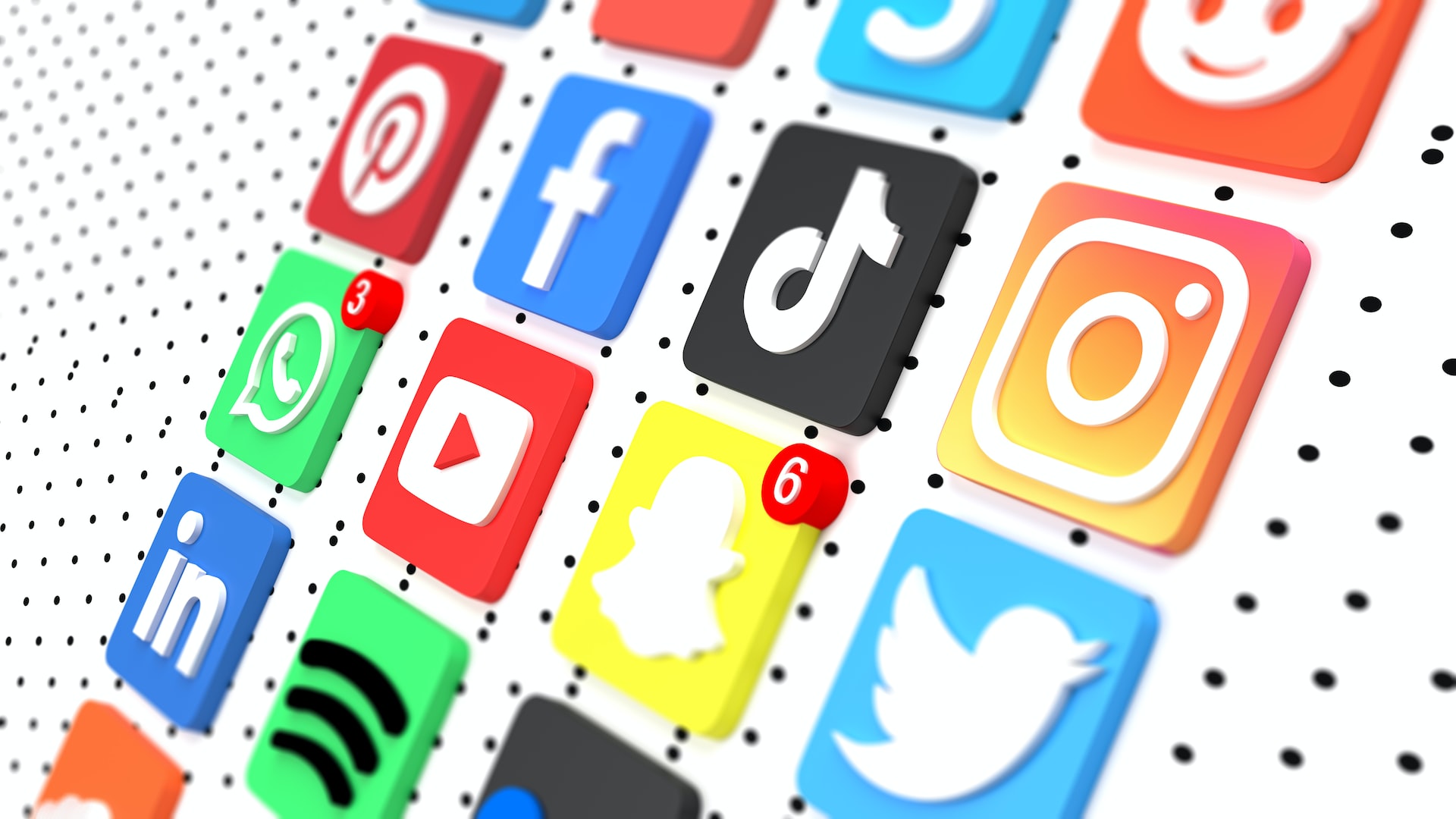
Nowadays technology plays a role in how we communicate and how people see themselves, and people use technology platforms such as TikTok, Snapchat and Instagram to show their personalities. The nuances of existence interest me in how the perception of oneself can be distorted via online platforms.
One of the issues in the field of digital identity is self-presentation. Goffman (1959) in The Presentation of Self in Everyday Life asserts that people use roles in social situations. This theory applies to social medya where a user can choose what pictures, comments and videos to upload in order to create the desired persona that will be accepted by the audience. For instance, a person may post pictures of their trips to countries or meeting friends while not mentioning their hardships. This means that an identity presented on the internet is created and not genuine.

Similarly, social media impacts the way people assess themselves and their social status. Festinger’s (1954) theory of social comparison suggests that people assess their lives by assessing others’ lives and accomplishments. In social networks like Instagram and TikTok, users are continually exposed to many idealised images of people and lifestyles which set unattainable standards of beauty. It can lead to a constant need to behave or look a certain way in order to get experiences.
One more important thing is the effect of algorithms on digital identity. Algorithms used by social media provide information based on people’s interests, actions, and behaviour. Pariser (2011) explains filter bubble as the situation when people get more and more information based on their preferences. Even though customised information improves users’ experience in the digital world, it limits the number of different points of view people get.
In addition to this, it should be noted that digital identity has a significant impact on privacy and digital footprint. Each social media update and online activity becomes a part of our digital identity. The author of the article boyd (2014) states that while one-to-one communication is the main way for acquaintances to interact with each other, technology provides different channels for communication. However, the main problem is that these channels sometimes do not consider how information will be used in the future
Overall, identity in a digital world is changing all the time due to the advances in technology and online interactions. People can benefit from using digital technologies, but there are many dangers connected to this. Studying digital communications has shown me that social media is not just the point of sharing our identities but also the space that allows identities to develop.
References:
boyd, (2014) It’s Complicated: The Social Lives of Networked Teens. New Haven: Yale University Press.
Festinger, L. (1954) ‘A theory of social comparison processes’, Human Relations, 7(2), pp. 117–140.
Goffman, E. (1959) The Presentation of Self in Everyday Life. New York: Doubleday.
Pariser, E. (2011) The Filter Bubble: What the Internet Is Hiding from You. New York: Penguin Press.


