
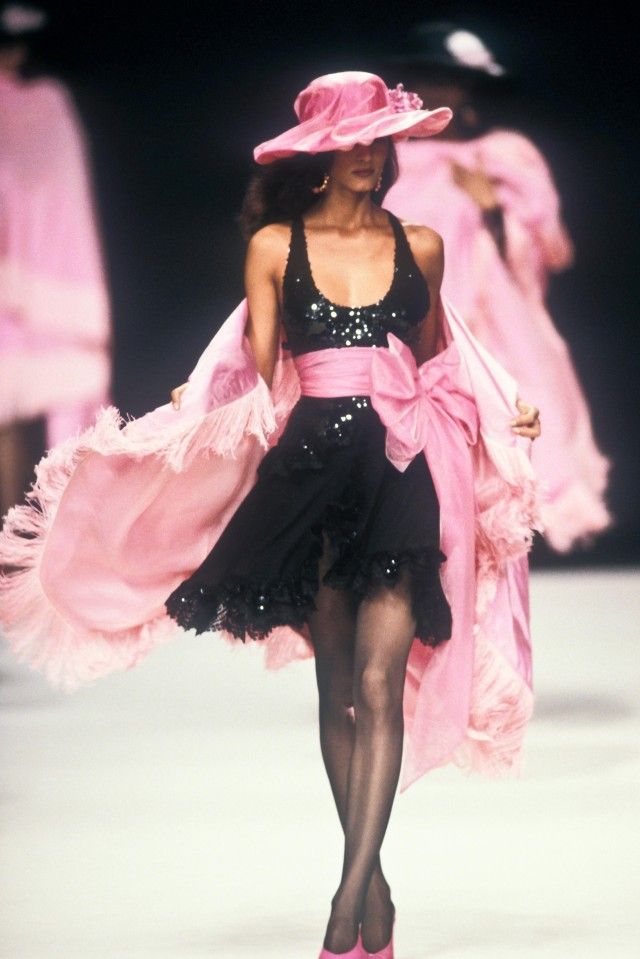
Fashion has always been about standing out. So why does it feel like we’re all always chasing that same look?
Scroll through TikTok for five minutes and you’ll probably come across the same outfit several times. From the same shoes to the same handbag. Every new trend becomes everyone’s new obsession, only to be replaced by another a few weeks later. Fashion clearly moves quickly, but maybe the more interesting question is: who is actually deciding what we want to wear?
The ideas of Theodor Adorno and Max Horkheimer become surprisingly relevant here. Their theory of the culture industry argues that culture has become a commercial product that’s been shaped by mass production rather than individual creativity. Scannell (2007) describes this as the “commodification of art forms”, where cultural products become subject to the methods of mass production and selling.
Although Adorno and Horkheimer were mainly writing about entertainment, their argument can easily be applied to fast fashion. They believed that mass culture creates uniformity, claiming that “culture now impresses the same stamp on everything” (Adorno and Horkheimer, 1997 [1944]: 120). Looking at today’s fashion market: trends are copied, reproduced and sold in thousands, often making different retailers feel like different versions of the same shop!
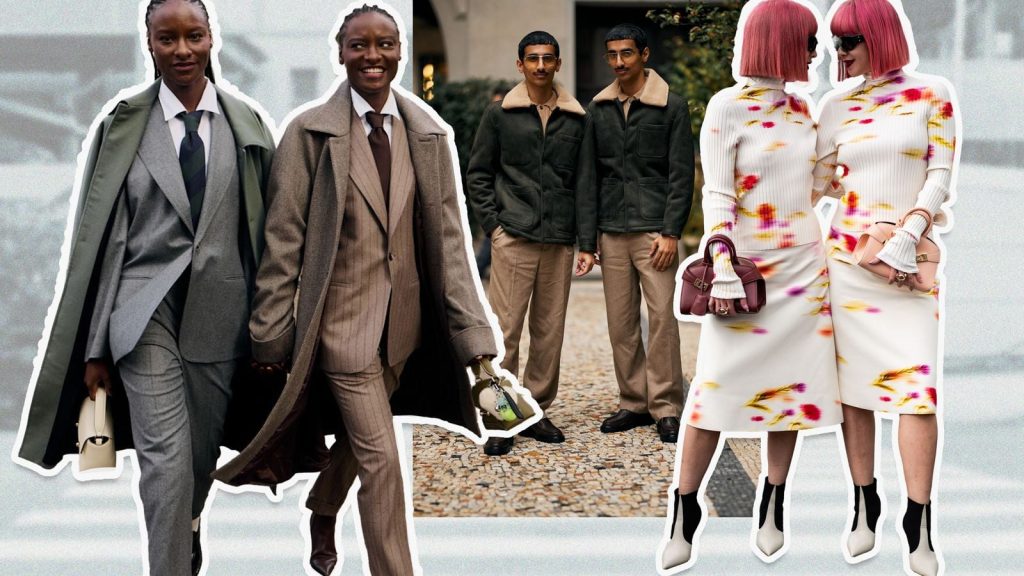
The rise of social media has only made this cycle move faster. A celebrity wears something, an influencer recreates it, and suddenly it becomes a something everyone must have. Consumers are encouraged to buy into a particular aesthetic, almost as if purchasing the right outfit will give them a new personality to match the new trends. However, the excitement rarely lasts. As soon as one trend feels too familiar, another appears.
Adorno believed this constant consumption creates a false sense of satisfaction. The culture industry gives people the impression that buying their products will make them happy, while encouraging them to keep wanting more (Adorno, 1992: 91–92). In fast fashion, this is visible in the endless cycle of hauls, new collections and micro-trends. The wardrobe gets fuller, yet the feeling of always having nothing to wear somehow remains in our minds.
However, this perspective can have its limitations. It can be presented to make consumers sound like passive followers, when fashion is also a way of experimenting and expressing identity. Walter Benjamin offers a more optimistic view of this in The Work of Art in the Age of Mechanical Reproduction (1936). While he recognised that mass reproduction takes away an artwork’s uniqueness, he also saw the potential for technology to make culture accessible to wider audiences. Applied to fashion, this could mean affordable clothing as well as greater visibility for emerging designers and new ways for people to participate in style.
Perhaps there is a large difference between finding inspiration in a trend and feeling pressured to buy every single version of it.
References:
Adorno, T. and Horkheimer, M. (1947). The culture industry: Enlightenment as Mass deception
Benjamin, W. ([1936b] 1973b) ‘The work of art in the age of mechanical reproduction’, in Arendt, H. (ed.)
Scannell, P. (2007) ‘Mass Culture’, in Media and Communication. London: SAGE Publications.


