
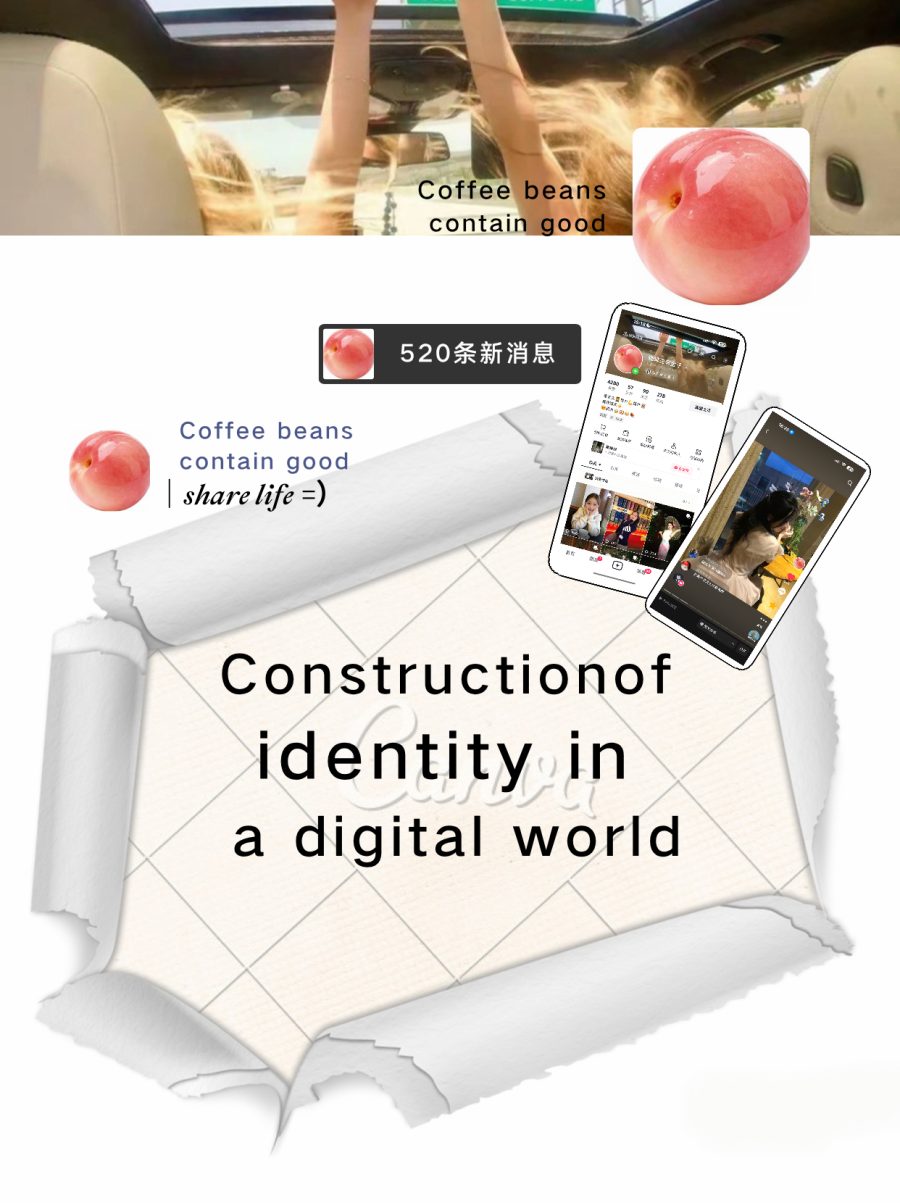
Before posting on Douyin, do you choose photos that fit the person you want others to see? I do. My profile works like a ‘personal identity card’: my picture, biography and posts introduce me before anyone meets me. I argue that my online identity is a selective presentation of myself, shaped by both personal choices and the responses I hope to receive.

My biography highlights being an international student, working hard and improving myself. References to sunshine and food also communicate my interests. Together, these details help me present an optimistic person who enjoys life. For one post, I carefully selected photograhhys to creat an elegant and sweet image.I hoped to receive likes and attract followers.Although the profile is personal, I am already imagining an auidence when I decide which details deserve to appear.
Goffman’s (1959) concept of impression management helps me understand this process.It concerns how people try to influence the impressions others form of them.Applying this idea to my account,choosing photographs becomes more than sharing memories:it is also a way of shaping how others see me.However, a carefully chosen image does not necessarily mean a fasle identity. It may highlight qualities I identity with while leaving other aspects of myself outside the frame.
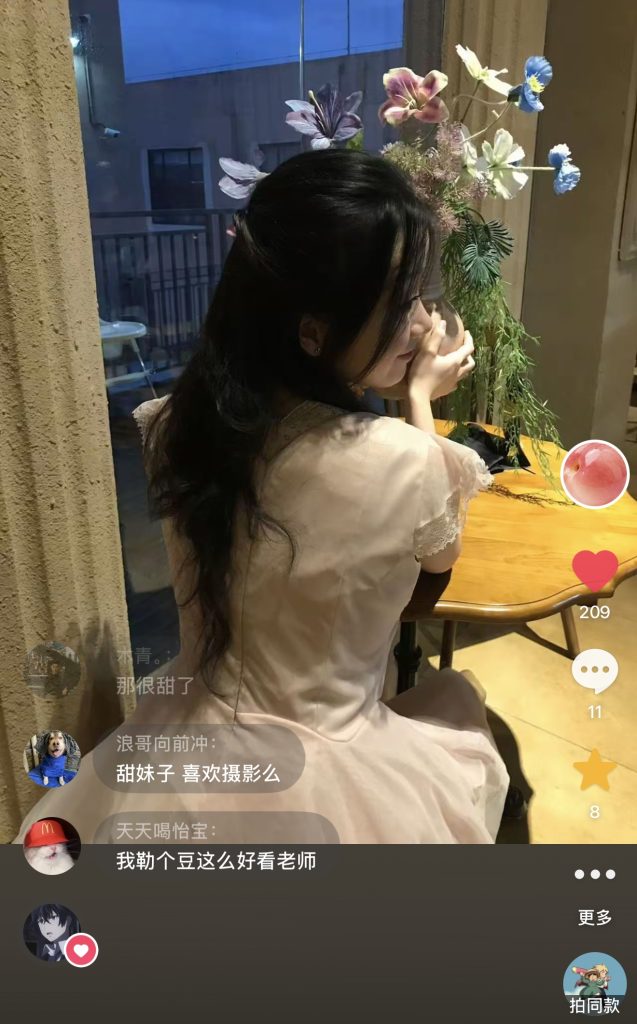
The post received likes and comments prasing my appearance.These responses suggest that some viewers appreaciated my presentation, but they cannot tell me exactly how those viewers understood my personality. Someone liking a photograph does not necessarily see me as optimistic or independent.I can choose what to publish, but I cannot fully determine what it means to everyone who sees it.
This also complicates my original belief that online presentation cannot affect who I am. Wanting more likes already means that audience reactions matter to my choices.If an image recies postive attention, might I feel encouraged to present my self similarly again? This is a possibility rather than something the screenshot can prove.It also leaves room for my own decisions: I can value a photograph even when it attracts little attention.Goffman’s focus on face-to-face interaction also needs adapting here,because I can prepare a post before sharing it and receive resposes later.
For my future posts,this analysis offers a useful question: am I choosing an image because it expresses something meaningful to me, or mainly because I expect aproval? Both motives may exist together. My Douyin identity can remain connected to my lived experience while being shaped through selection and interaction. Recognising that process helps me think more carefully about how I represent myself.
Reference:
Goffman, E. (1959) The presentation of self in everyday life. Reprint. Harmondsworth: Pelican Books, 1971.


