

I have lived in many places: Siberia, Saint Petersburg, Moscow, Paris and now London. In each one, I was a slightly different version of myself. Today my phone shows all those versions at once, which is why Erving Goffman’s theory feels so relevant to me.
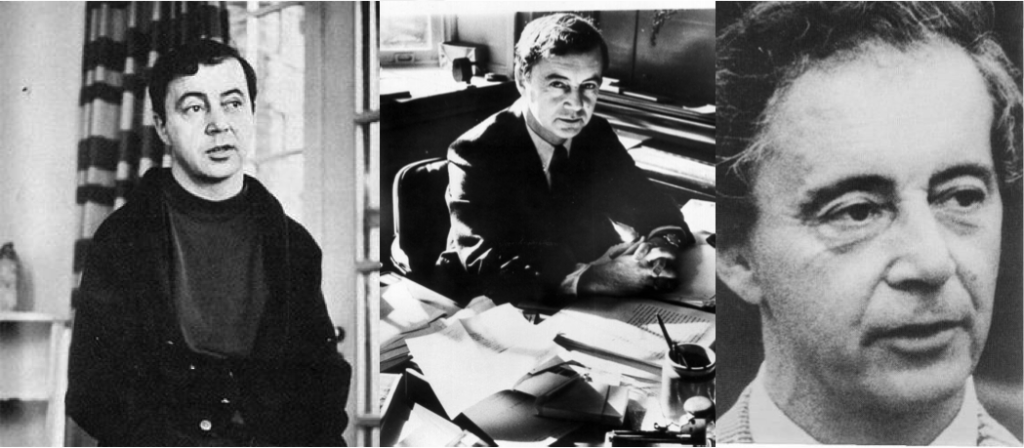
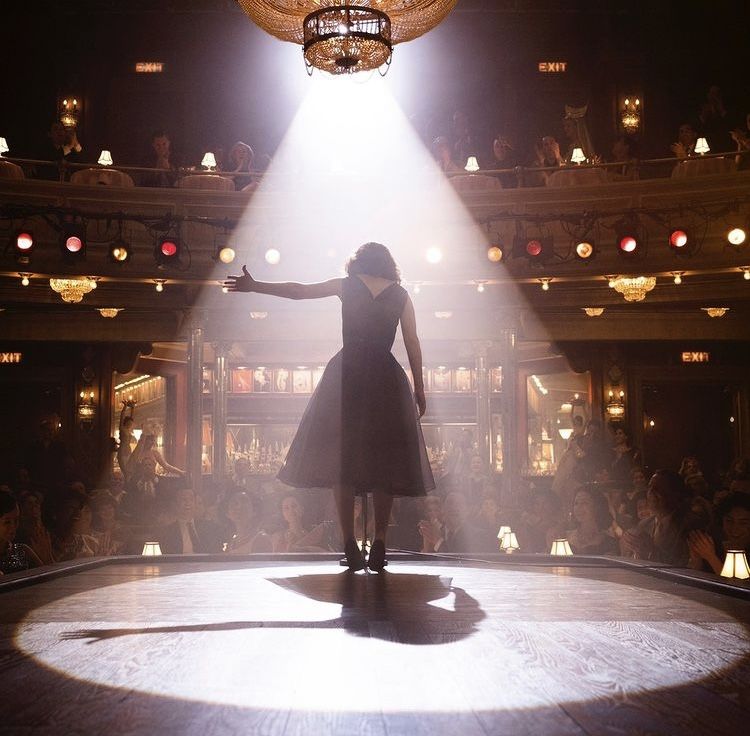
In The Presentation of Self in Everyday Life, Goffman argued that daily interaction works like theatre. People perform for an audience and manage the impression they give. The “front stage” is where we perform, and the backstage is where we can relax and drop that performativity (Scannell, 2007). This does not necessarily mean that people are fake. Performing is how social life works.
Your favorite bar is a good example. Guests see the front stage: The Bartender guy is friendly, quick and calm, even when it’s busy. The staff area is the “backstage”, where you can be tired and honest. The guests almost never see the other version.
Social media is what makes this stage even bigger. On Instagram, I choose a few photos out of many, edit them, and writethe captions. I call it an impression management.
On Telegram and in private chats, I act differently, because the audience is smaller and I know who they are. As a digital media student who wants to become a creative director, my feed is also a portfolio, so the performance has a career purpose as well. Haziq (2019) writes about presenting our best digital selves, and I recognise that pressure: I cannot freely post whatever I want, knowing that my potential future colleagues could judge me wrongly.
However, digital life changes Goffman’s model in three ways:
1. The audience is unclear
Goffman’s theatre has a visible audience, so you know who you are performing for and can adapt. On social media, one post can be seen by close friends, family, classmates, future employers and strangers at the same time. You cannot tailor your performance to each group, so you have to guess who is watching.
2. The performance stays
In real life, what you say or do happens once and then it is gone. Online, it stays. Someone can screenshot it, save it, share it or find it years later, so a moment from one night can follow you.
3. Platforms shape the performance
On stage, applause comes at the end. On social media, likes and comments arrive immediately and publicly, and the algorithm decides who sees you. Because of that, we tend to repeat it, so the platform partly shapes your performance.
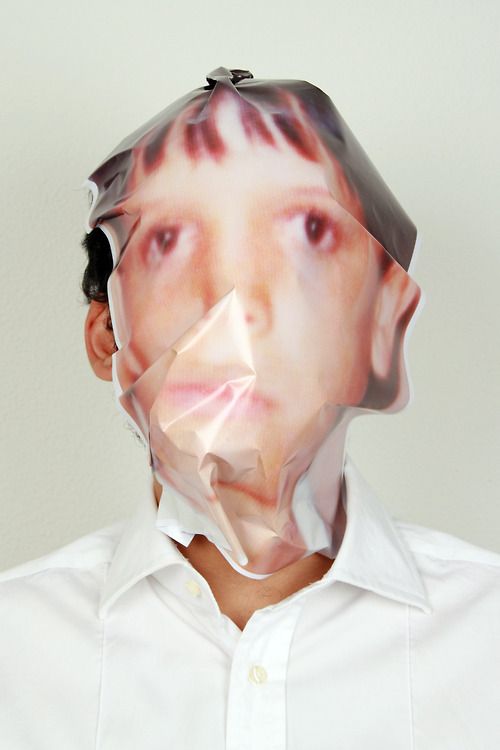
Maybe the real question is not whether there is a real self behind the performance, but whether we know ourselves well enough to say. Goffman suggests the self is shaped through performance, and on social media, this is even clearer (Scannell, 2007). I post something, see which version gets attention, and slowly start to see myself through that response. The likes and comments tell me who I seem to be. If we do not fully know ourselves, then a curated feed is not a lie about a hidden “real identity”. It is one way we determine who that is.
References
Haziq, S. (2019). ‘Putting the best digital self forward in the age of social media’, Medium. Available at: [add URL from the reading list] (Accessed: [date]).
Scannell, P. (2007). ‘Communication as interaction: Goffman and Garfinkel, USA, 1950s-1970s’, in Media and communication. London: SAGE, pp. 145–168.


