
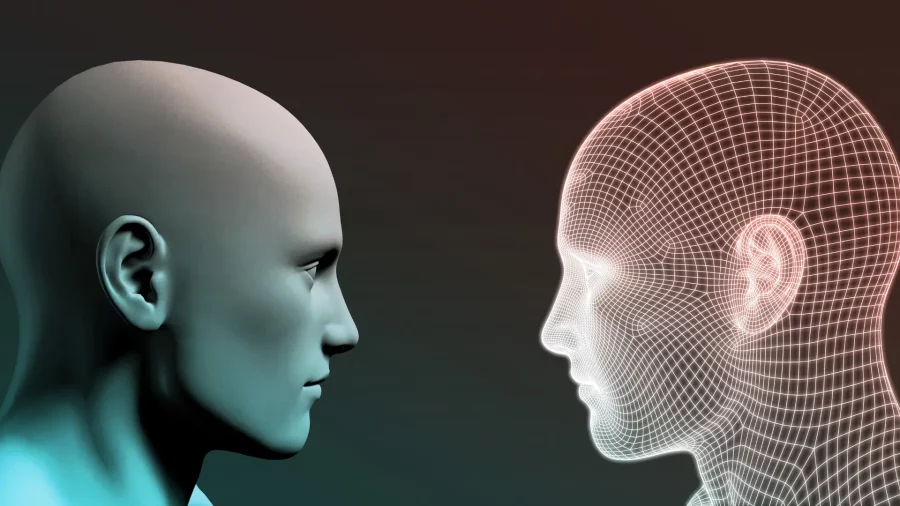
Social media has emerged as a crucial medium for self-expression and the perception of individuals by others. Platforms like Instagram, TikTok, and LinkedIn enable individuals to establish digital personas via images, posts, viewpoints, and engagements. Nevertheless, the persona we exhibit on the internet does not consistently mirror our true selves.
Sociologist Erving Goffman (1959), in The Presentation of Self in Everyday Life, posits that individuals modify their conduct based on their audience. This is especially pertinent to social media, where individuals meticulously choose what they disclose. For instance, an individual may share joyful experiences, vacations, and accomplishments on Instagram while concealing personal difficulties. This generates a modified representation of their daily persona.
A definitive illustration is the distinction between Instagram and LinkedIn. On Instagram, individuals may showcase their interests and social activities, while on LinkedIn, they emphasize their professional accomplishments and career aspirations. The two profiles depict the same individual while emphasizing various facets of their identity.
Marwick and Boyd (2011) characterize this phenomenon as context collapse, wherein diverse audiences, including friends, family, and employers, converge on a single platform. This may heighten users’ awareness of their postings and the way they are viewed.
Algorithms additionally affect digital identity. TikTok, for instance, suggests content according to users’ preferences and viewing behaviors. This can affect the trends individuals adopt, the groups they associate with, and even their self-presentation.
Notwithstanding these challenges, social media can offer beneficial avenues for self-expression. Digital communities enable individuals to engage with others who possess analogous interests and experiences (boyd, 2014).
Ultimately, digital identity is influenced by individual decisions as well as external factors. While social media enables the expression of various facets of our identities, it is crucial to acknowledge that an online persona cannot entirely encapsulate an individual’s offline existence.
Citations
- Goffman, E. (1959) The Display of Self in Daily Existence.
- Marwick, A.E. and boyd, d. (2011) ‘I tweet with sincerity, I tweet with fervor’, New Media & Society, 13(1), pp. 114–133.
- Boyd, D. (2014). It’s Complicated: The Social Lives of Networked Adolescents.


