
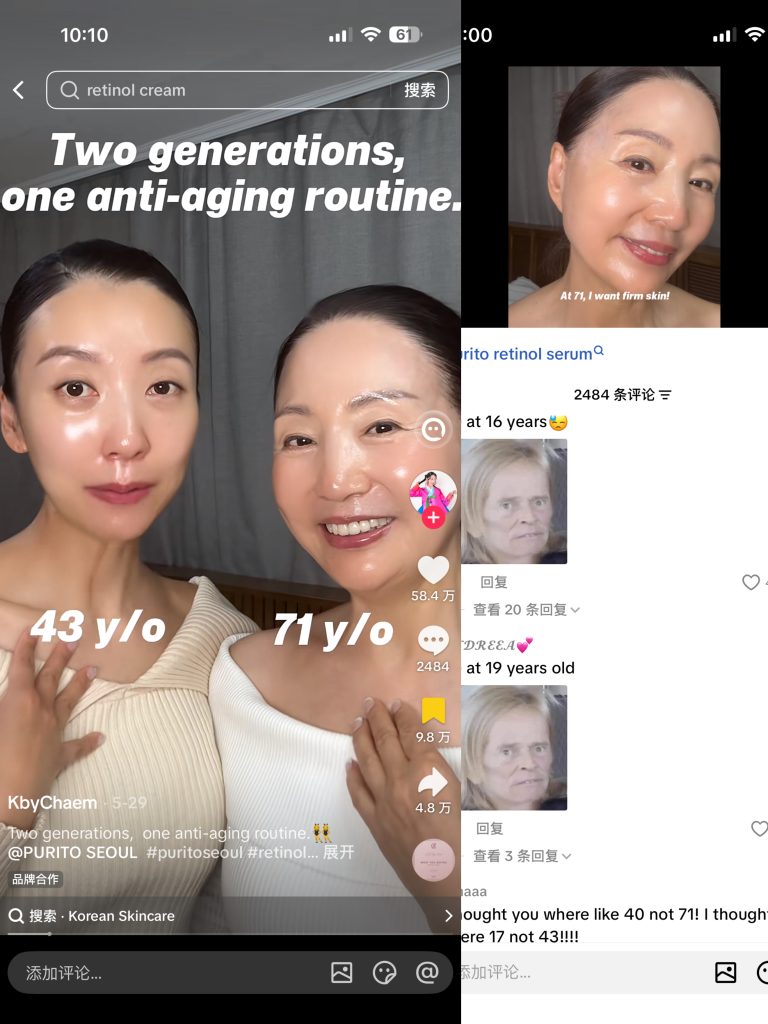
A TikTok video featuring two women aged 43 and 71 promotes an anti-aging skincare routine. But does such content satisfy existing skincare needs or create new concerns about aging? Drawing on Adorno and Horkheimer’s culture industry theory, this blog examines how beauty marketing commodifies the pursuit of youthfulness. I argue that TikTok marketing may amplify existing desires and shape consumers’ perceptions of their needs, even when they recognize and question commercial influences.
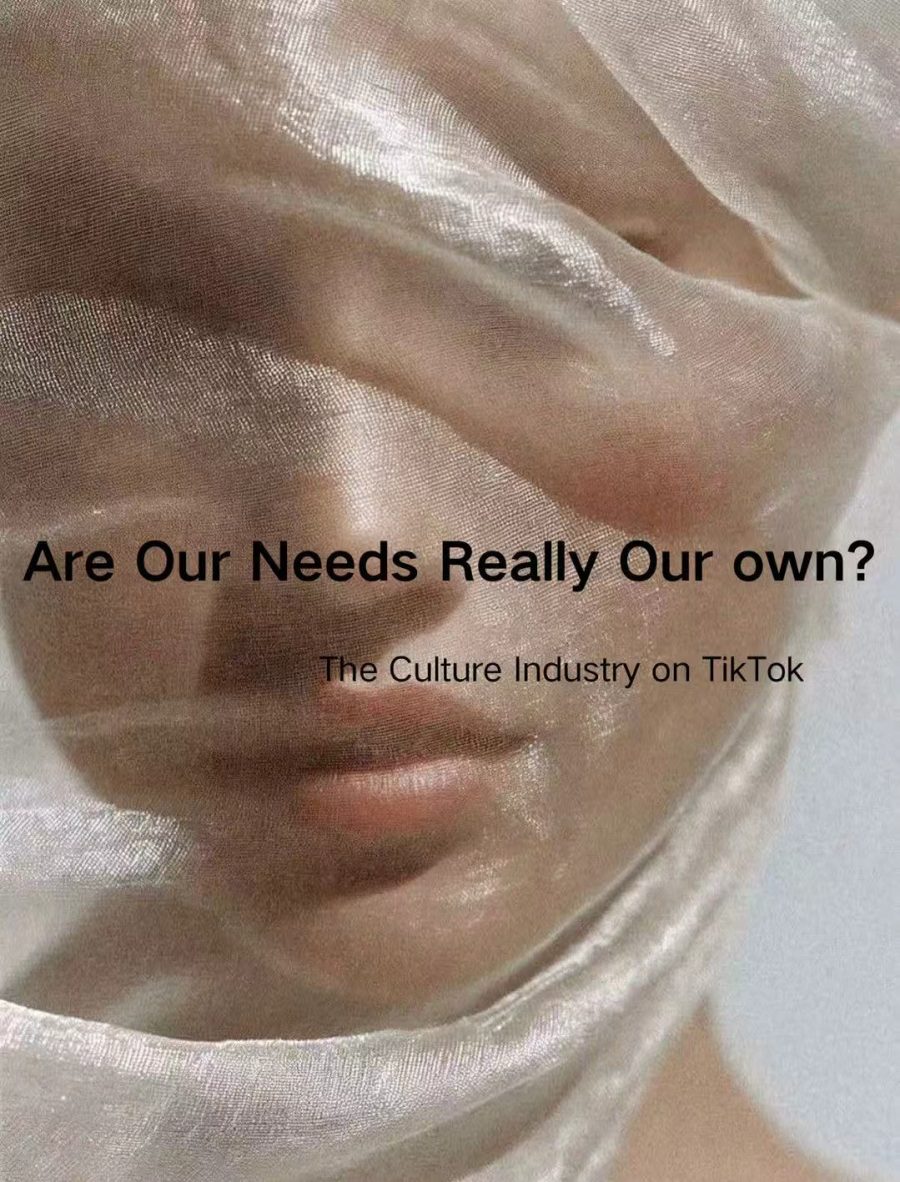
Adorno and Horkheimer’s theory of the culture industry examines how commercial interests in capitalist societies shape mass-produced culture. As Scannell (2007) explains, mass production and marketing turn cultural forms into commodities. This suggests that culture is not only entertainment but can also serve commercial interests. Applying this theory to TikTok beauty marketing helps explain how the pursuit of youth and beauty becomes linked to skincare consumption and may shape audiences’ perceptions of their own needs.
The TikTok video, titled Two generations, one anti-aging routine,” presents the different skincare needs of women aged 43 and 71 within a shared anti-aging narrative. ” At 43, I want prevention!” and “At 71, I want firm skin!” express their different goals. By showing both women using the same skincare products, the video links youthful, firm skin to consumption. From a culture industry perspective, this illustrates how beauty ideals become part of commercial consumption. The video may therefore address existing skincare needs while also shaping viewers’understanding of aging and the necessity of skincare.
Beyond Passive Consumers: A Critical Reflection
Culture industry theory helps explain how marketing presents youthful, firm skin as a desirable consumption goal. However, viewing consumers as entirely passive may overlook their existing skincare needs and different motivations. Zhang et al. (2023) found that perceived utilitarian and hedonic values are positively associated with purchase intentions in social media marketing. This suggests that consumer responses involve practical and emotional considerations, not just advertising influence; personal judgment may therefore coexist. Yet different motivations do not necessarily mean complete autonomy, since even perceptions of practical value may be shaped by commercial messages.
My Experience with TikTok Shopping
When considering a purchase, I often check the brand before asking whether I actually need the product. I have bought sports shoes and cosmetics on TikTok, but later regretted some purchases because they were unnecessary or didn’t meet my expectations. This suggests that commercial content may shape my desires before I evaluate a product’s actual value. Although I can question these influences, my choices may not be entirely free from them.
Our needs may be genuine, yet the way we understand and meet them may still be shaped by commercial culture.
Reference:
Scannell, P. (2007) ‘Mass Culture’, in Media and Communication. London: SAGE Publications. Available at: https://doi.org/10.4135/9781446211847.n3.
Zhang, W., Zhang, W. and Daim, T.U. (2023) ‘Investigating consumer purchase intention in online social media marketing: A case study of TikTok’, Technology in Society, 74, 102289. Available at: 10.1016/j.techsoc.2023.102289


