
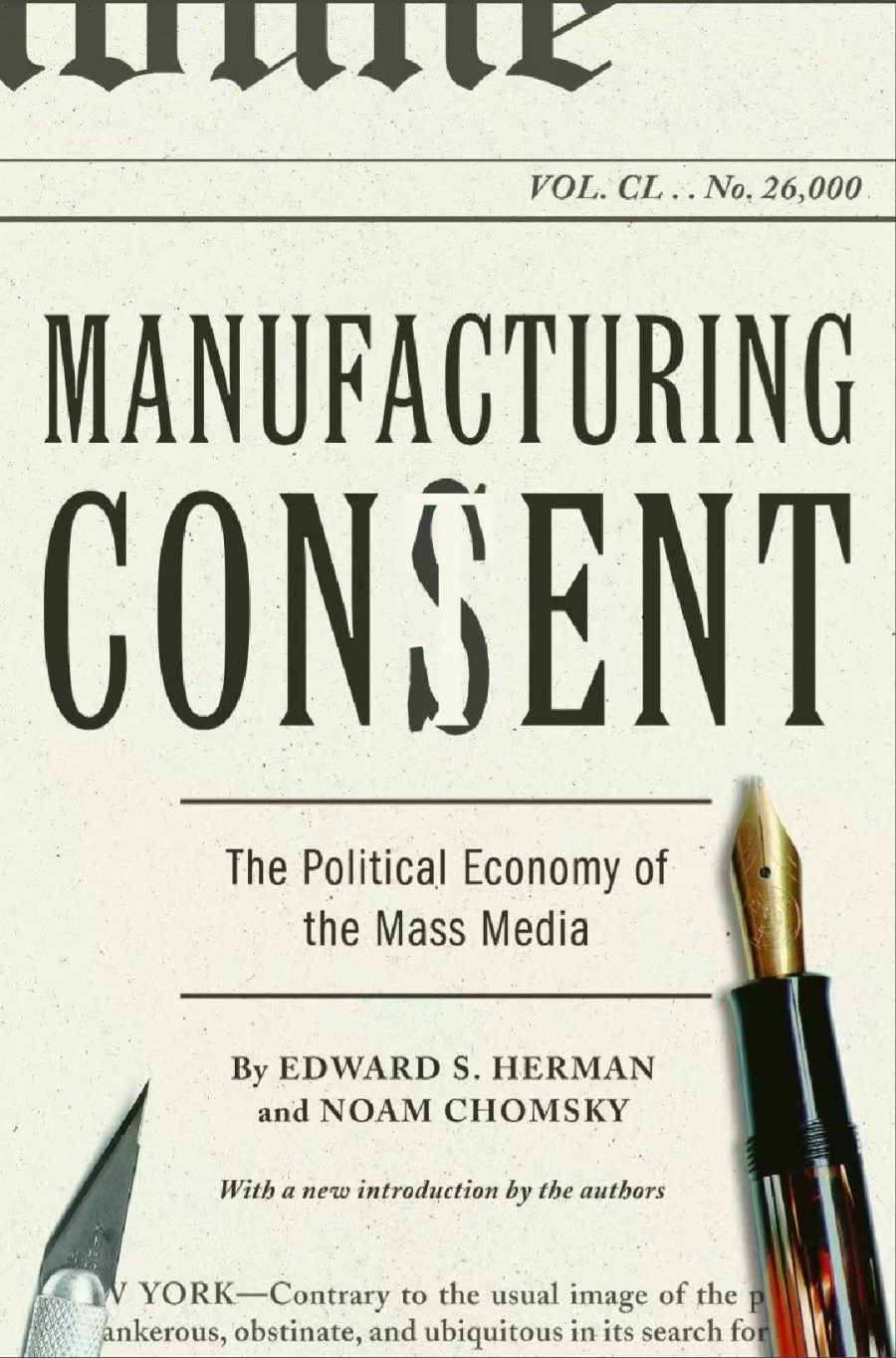
In 1988, Edward S. Herman and Noam Chomsky published Manufacturing Consent: The Political Economy of the Mass MediaCambridge …. Their propaganda model argues that mass‑media systems do not deliver neutral news. Instead, five structural filters — ownership, advertising, sourcing, flak and dominant ideology — screen information. These filters produce public acceptance of elite interests without direct state force; this is not a conspiracy, but built‑in institutional biasInternatio…. Though written for traditional broadcast and print media, this theory still helps us understand today’s digital world.
Corporate ownership and advertising filters operate differently on social‑media platforms. Platform companies prioritise engagement and advertising revenue, so content that challenges major corporate sponsors receives less algorithmic promotion. For example, mainstream beauty influencers frequently promote skincare and cosmetic brands, while independent creators discussing toxic ingredients in commercial products often gain far less reach. This mirrors the advertising filter described by Herman and Chomsky.
The sourcing filter also persists online. Media outlets and digital creators still heavily rely on official press releases and corporate PR material. Environmental reports from large fashion brands receive widespread coverage, while grassroots activist investigations about garment‑worker exploitation remain marginalised across social feeds. Even algorithmic recommendation systems can amplify dominant perspectives and reduce exposure to opposing viewpoints, extending the logic of manufacturing consent into personal social‑media feeds.
This does not mean audiences are completely powerless. Users can seek alternative sources and practise media literacy. Recognising these hidden structural filters allows people to question which voices get amplified online, and which are ignored.
References
Herman, E.S. and Chomsky, N., 1988. Manufacturing Consent: The Political Economy of the Mass Media. New York: Pantheon BooksCambridge ….
Pizarro, J., 2022. Understanding Herman and Chomsky’s Propaganda Model. Online educational resource.


