
A deep dive into manufacturing consent and the way media shapes perspectives of culture
As an avid traveller, I find it interesting to compare my experiences of a country with the narrative that i’ve heard or witnessed. Especially whenever I visit a country with a distinct reputation, it’s always insightful to see how my time there measures. Sure, media outlets and public opinion can definitely help you out with recommendations or safety guidance, but when do we know whether these ‘suggestions’ are being maneuvered to suit a specific narrative? Maybe a narrative fuelled by bigotry or racism.
This blog seeks to examine ‘manufacturing consent’, a theory that explores how control is subtly deployed over states and the effect this has on societal worldviews.
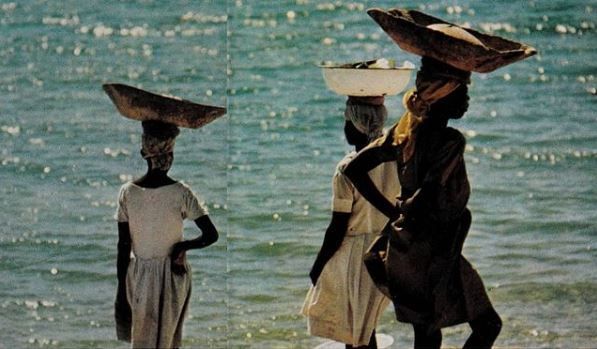
What are the first adjectives when you think of Russia, Africa, China, India? For some you may not feel comfortable to say them out loud. On the contrary, you can put your self deprecating guilt away for a moment as those ideas are not always self-imposed, but can be due to rhetorics you were socialised into accepting. Being from Africa, I am over familiar with the judgements and perceptions of my continent particularly from curious peers with different cultural backgrounds. Who can blame anyone? I too am aware of the constant poverty and charity work advertisements distributed all over different Western media outlets, depicting Africa as a suffering and monolithic continent. Although I can accept that these issues are prevalent and deserving of media attention, using them as the defining features of an entire continent perpetuates dangerous and damaging stereotypes.
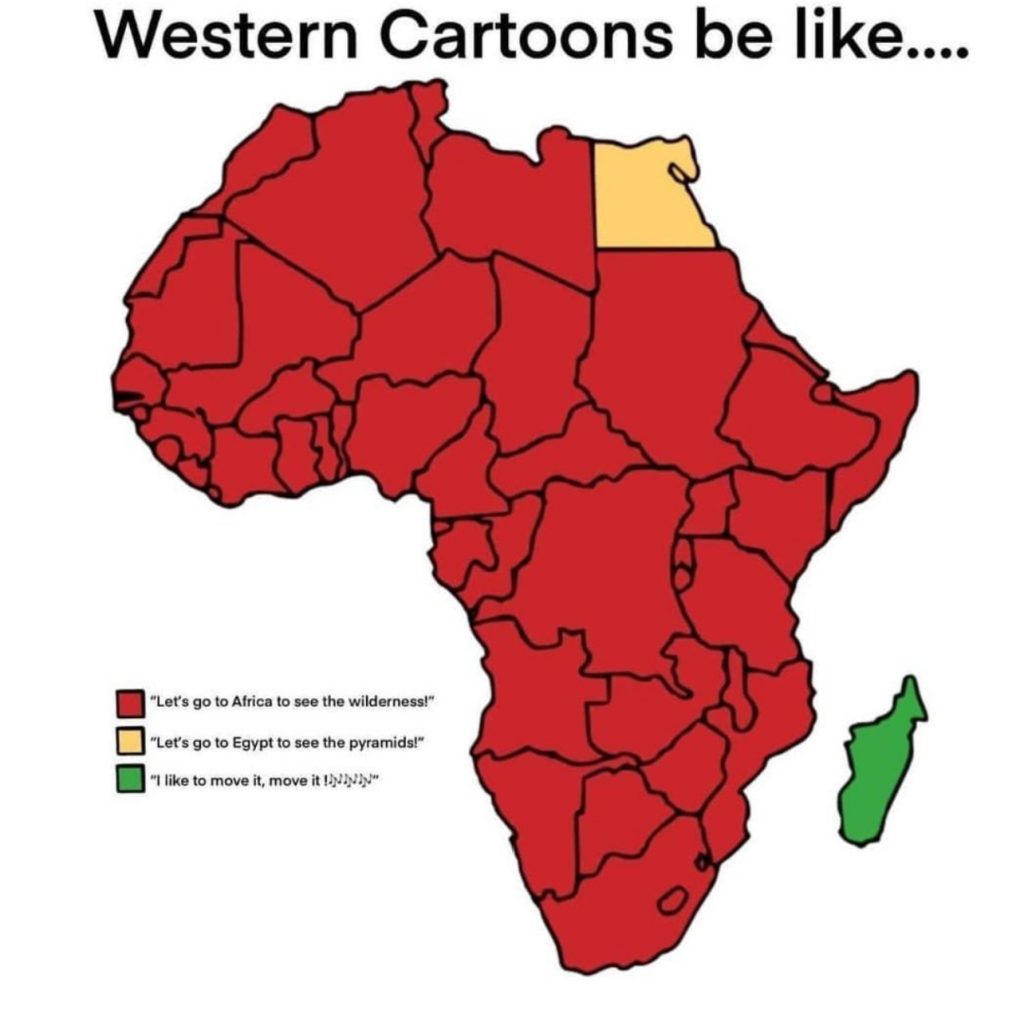
Herman and Chomsky’s Propaganda Model offers insight into understanding how media perspectives serve the interests and are influenced by those in positions of power. Propaganda Model identifies ownership, advertising, reliance on official sourcing, disciplinary pressures and enemy ideologies as devices used to shape which information reaches audiences. In conjunction, Is Mass Media Still ‘Manufacturing Consent’ a video created by Aeon, suggests that Propaganda Model remains within the operation of media’s function today. This can suggest why Western media frequently disregards Africa’s cultural diversity, everyday life and creativities, yet prioritises reports of crisis and undevelopment. The result of audiences repetitively encountering narrow images of Africa, signals messaging that start to feel truthful rather than one dimensional or constructed.
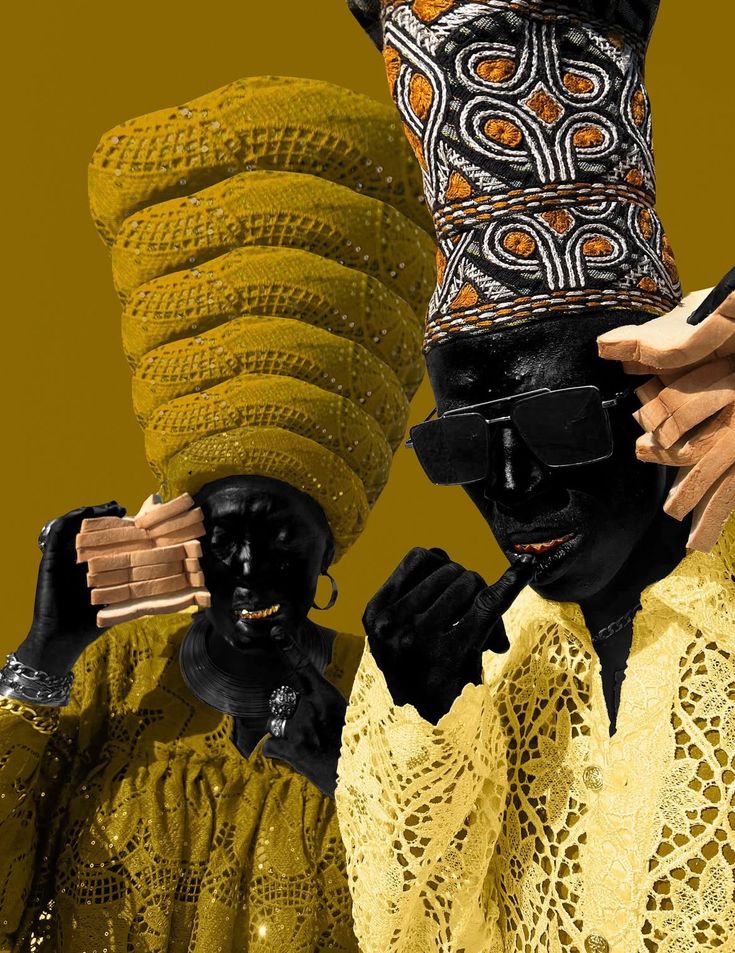
On the flip side, social media can offer opportunities that traditional media doesn’t provide. Individuals are able to create and upload their own content, choosing the narrative that they want to portray. For example, Edward Ademolu examines the hashtag #TheAfricaTheMediaNeverShowsYou, which was a social media campaign launched in 2015 by young Africans. This campaign directly challenges Western media’s portrayals of the continent, it exemplifies how communities can create different portrayals of Africa and build new narratives.
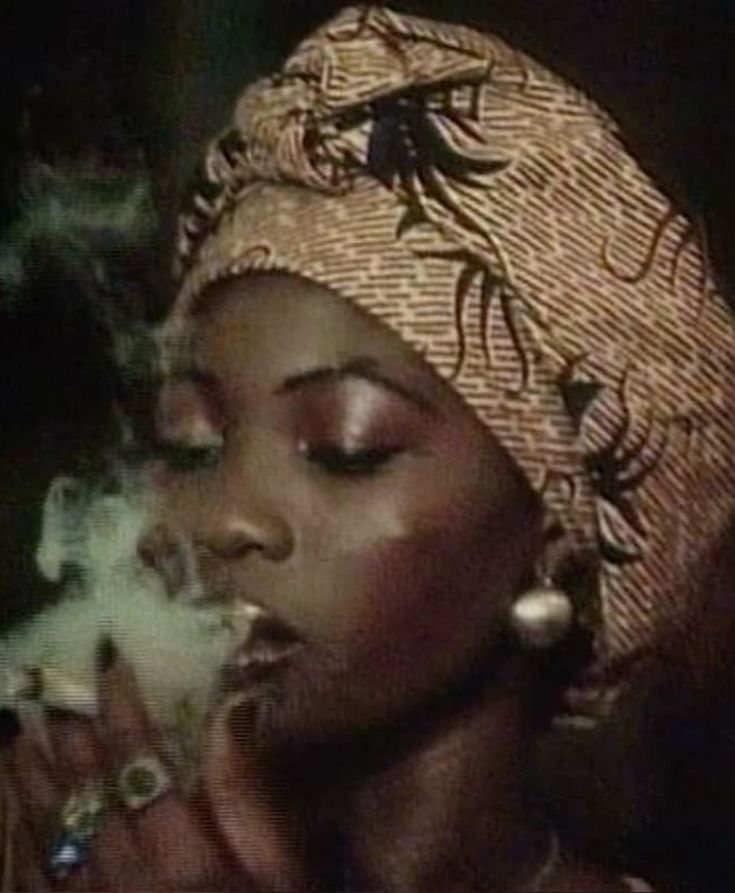
Ultimately, social media can both give and take opportunities. The Propaganda Model was not created with social media algorithms in mind yet can still display what influences the information that audiences receive and the frequency of them receiving it. Although African voices can push past algorithmic biases, engagement fuelled systems illuminate familiar or attention grabbing content which can create meaning for audiences. So the question is, who is creating the meaning of your world?
References –
Durham, M.G. and Kellner, D. (eds) (2006) Media and cultural studies : keyworks /. Rev. ed. Malden, Mass. ; Blackwell,. Available at: http://www.vlebooks.com/vleweb/product/openreader?id=WestminUni&isbn=9781405150309.
Is mass media still ‘manufacturing consent’ in the internet age? | Aeon videos. (2022). Available at: https://aeon.co/videos/is-mass-media-still-manufacturing-consent-in-the-internet-age
Ademolu, E. (2024). #TheAfricaTheMediaNever ShowsYou: An Afrodiasporic Subaltern Counterpublic. Sociological Research Online, 29(3), 650-674. https://doi.org/10.1177/13607804231193959


