

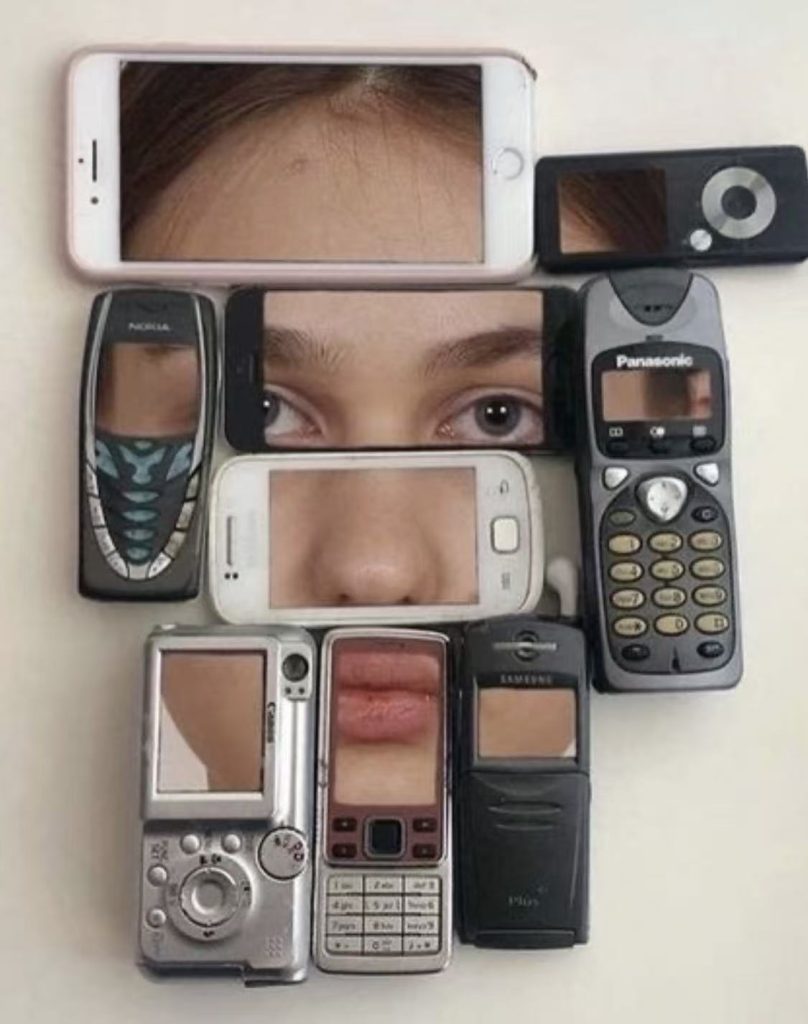
Social media has transformed how we construct and display who we are. Many of us hold multiple accounts across different platforms, posting varied content for different audiences. It is easy to feel like we are freely expressing ourselves, yet these online performances often happen within pre‑set templates and viral formats. This tension can be explained through Adorno and Horkheimer’s theory of pseudo‑individuality, developed in Dialectic of Enlightenment. They argue that cultural industries produce standardised products, offering tiny cosmetic variations to create the false impression of individual difference. Our digital self is not one whole, stable identity, but a collection of fragmented pieces shaped by trends, platform norms and algorithms.
Viral challenges are a perfect example of this dynamic. Every creator follows the same core structure of a trend, but they add small changes: different reactions, playful jokes, or unique interactions with friends. At first glance, these adjustments look like authentic creativity. However, the basic framework remains unchanged. The trend sets the boundary, and creators only decorate it with minor personal twists. This is pseudo‑individuality. The small differences make content feel fresh and personal, even though everyone is working from the same blueprint. TikTok dance trends follow this same logic: the choreography is identical, while creators change outfits, backgrounds or facial expressions to feel distinctive.
Two layers of the digital self
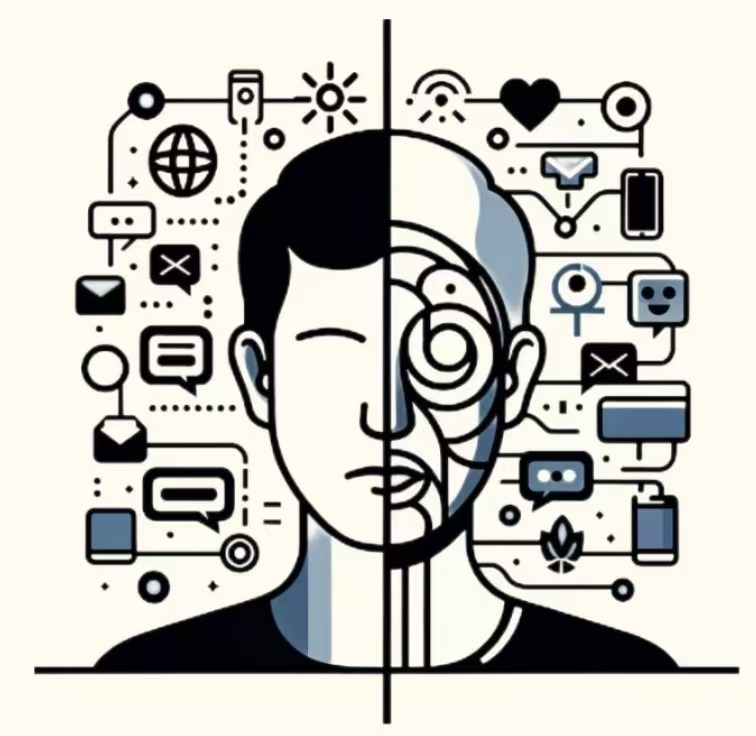
We can understand digital identity in two connected dimensions, drawing on van Dijck’s writing about digital selfhood. The first is the curated self (the performative self), linked to Goffman’s dramaturgy theory: we select content, images and tone to match the norms of different platforms, shifting our online performance across spaces. For instance, a user may post polished travel photos on Instagram, share casual jokes on TikTok, and use a quiet, anonymous account on Reddit. These separate performances fragment our identity.
The second is the datafied self, constructed without our conscious intention. Platforms gather our engagement data — watch time, likes, clicks and comment history — and algorithms build user profiles to predict our tastes. This is not the identity we choose to present, but the version recognised by platforms for content and ad targeting. It raises a key question: can we distinguish authentic self-expression from behaviour driven by algorithmic rewards?
A counterpoint deserves consideration: trend content is not entirely empty. Creators still make personal choices within fixed formats, adding unique details to connect with communities. These small creative decisions carry meaning. For example, some creators adapt the same trend template to share vulnerable personal stories instead of light entertainment, turning the trend into a space for self-disclosure.
Even so, we must stay critical. We need to examine the boundary between genuine creativity and formulaic adjustment. When creators modify content only to please algorithms, these changes become superficial, rather than meaningful self-expression. Moving between different platform personas continuously fragments our identity, as we are often unaware of how trends and platform rules constrain us.
To conclude, digital identity exists in a complex middle ground. We are neither fully controlled by algorithms nor completely free from structural limits. Viral templates rely on pseudo‑individuality to create an illusion of uniqueness. Understanding this helps us engage with social media more critically: we can participate in trends, while recognising how platforms shape our fragmented digital selves.
Reference
Adorno, T.W. and Horkheimer, M., 1979. Dialectic of Enlightenment. London: Verso.
Goffman, E., 1959. The Presentation of Self in Everyday Life. New York: Doubleday.
van Dijck, J., 2013. The Culture of Connectivity: A Critical History of Social Media. Oxford: Oxford University Press.


